Updated April 23, 2026 — refreshed with booteek Intelligence data and local findings. Original analysis kept, with expanded research notes.
By booteek Editorial Team
The doors of hospitality never really stop. For Maya, our Head Waiter, a Friday isn't just another shift. It's a full-on show, demanding sharp wits, quick feet, and a real knack for people. We spent a day following her, watching the real, sometimes messy, rhythm of a busy UK restaurant and bar unfold.
You can't just react; you have to think ahead. Clear communication and preparation are probably the most important things. Unexpected challenges are a given, honestly. The trick is helping your team adapt and find solutions on the fly. And empathy – for guests and staff alike – that's your secret weapon. It smooths ruffled feathers and builds loyalty that actually lasts.
9:00 AM – The Quiet Before
The air inside The Copper Kettle still feels cool, holding the scent of last night's clean and a faint promise of coffee. Maya pushes through the staff entrance, already moving with purpose. She flicks on the lights, and the soft glow hits neatly stacked chairs and polished tables. First up: the booking system. She scans for anything tricky – big parties, specific dietary needs, little notes from previous visits. This hour is when you spot potential snags and often sort them before anyone even knows they were there. She walks the floor, checking every lightbulb, every chair, every menu for smudges. Then to the bar, making sure Liam, the morning bartender, has everything he needs – clean glassware, fresh garnishes, all the stock rotated. Maya even notices a tap dripping slightly in the ladies' loo and flags it for maintenance. A tiny drip, she knows, can turn into a flood of complaints later.
10:30 AM – The Morning Rush of Prep
The kitchen bursts to life with the clatter of pans and the smell of baking bread. Anton, the Head Chef, greets Maya with a nod and a shared glance at the prep list. They quickly talk about specials, anything running low, and any large bookings that might put pressure on the pass. Maya then gathers the early restaurant staff. Liam is there, already polishing cutlery. Sarah is setting tables. "Right, team," Maya begins, her voice calm but firm, "Friday. Full house tonight, solid lunch. Keep the flow, keep communicating. Anton's got a new mackerel dish, so be ready for questions. And remember that allergy table at 1.30." She gets straight to the point; everyone knows their role and the day's specific challenges. She watches as Liam double-checks the ice machine, then starts mixing a fresh batch of their house lemonade, making sure nothing from yesterday carries over.
12:00 PM – Lunch Kicks Off
The first guests arrive, a trickle that quickly becomes a steady stream. Maya is at the door, a warm smile for regulars, a welcoming gesture for newcomers. The rhythm of service starts – orders taken, drinks poured, food delivered. Liam, behind the bar, is a blur of shakers and glasses, keeping the drinks flowing for both the restaurant and the bar area. He's quick, accurate, and never seems to lose his cool, even when four cocktail orders land all at once. It’s impressive to watch.
1:15 PM – The Flicker
Then it happens. A sudden dip in the lights, a momentary shudder in the air conditioning, and a slight hum from the kitchen dies. Everything stabilises after barely two seconds, but it's enough to cause a ripple of murmurs. The till system resets, agonizingly slow to come back online. "Okay, team, manual dockets for now!" Maya calls out, already grabbing a pad and pen. She moves quickly to a table waiting for their bill, explaining the slight delay with a reassuring tone. Anton, in the kitchen, has already shifted to gas burners for some dishes – a backup plan kicking in instantly. Liam, without being asked, starts pouring water for all waiting tables, a small gesture that buys precious minutes. Moments like these, that quick, collective response, really show what these professionals are made of. It’s a bit scary, but they handle it.
1:45 PM – Managing the Aftermath
The till system eventually splutters back to life. Maya circulates, checking on every table. A table of four, clearly on a strict lunch break, is getting restless. Their food is delayed because of the kitchen's power hiccup. Maya approaches them directly, apologising sincerely. She offers them complimentary coffee and takes a percentage off their bill without hesitation. "We had a small technical issue," she explains, "and it's put us a little behind. I'm really sorry for the wait." The tension drains from their faces. It's not just the discount; it's the fact they've been seen and acknowledged. Maya then checks in with Anton, making sure the kitchen is fully recovered and the pass is clear.
3:00 PM – The Afternoon Reset
The lunch crowd thins out. Tables are cleared, reset. Liam is restocking the bar, prepping for the evening rush. He meticulously cleans every surface, reorganises bottles, and checks his fruit garnishes again. He's always thinking ahead. He even notices a popular gin running low and quietly messages a supplier, making sure there's no dry stock for the evening. A strong bar team like Liam's is important for the entire venue, not just for drinks. They handle walk-ins, support the floor staff, and keep the atmosphere humming.
4:30 PM – Evening Briefing
The evening staff start to arrive. Maya gathers everyone – the new waiters, the experienced ones, Liam and his evening bar colleague. "Right, dinner service. We're fully booked from six, especially a large party of twelve in the back corner. They're celebrating a big birthday, so let's make it special. Anton's got a few new starters. Let's push those. Remember the allergy notes from earlier. Any questions?" She goes over the evening's anticipated challenges, making sure everyone is on the same page. Her energy is infectious, even after a busy lunch.
7:00 PM – The Evening Swell
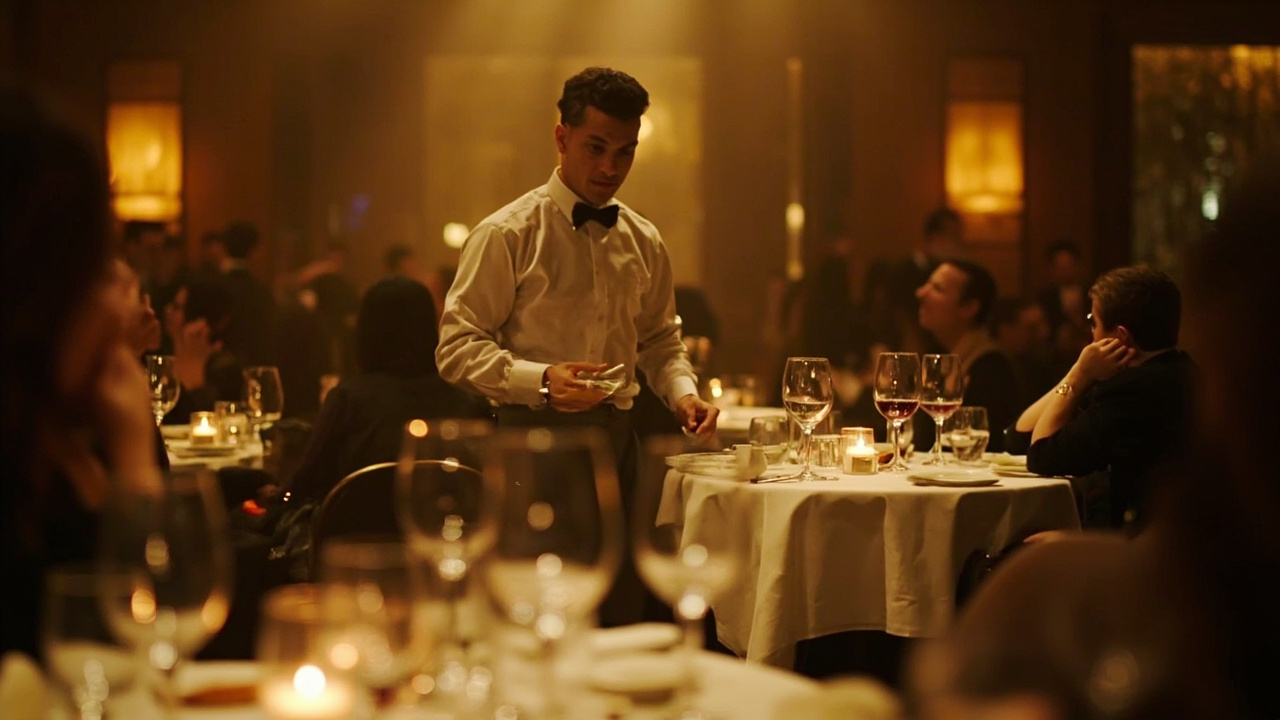
The restaurant is buzzing. Laughter, clinking glasses, the low murmur of conversation. The birthday party of twelve is loud, demanding. They want separate bills, specific modifications to dishes, and keep changing their minds about drinks. One guest complains loudly about their steak being overcooked, despite ordering it well-done. "This is not medium-rare!" they insist, waving their fork.
Maya walks over, her posture calm. She listens, genuinely. "I understand your frustration," she says, her voice measured. "Let me take that back to the kitchen immediately. What would you prefer? We can prepare you a fresh one, or perhaps something else entirely?" She doesn't argue; she offers solutions. She whisks the plate away, speaks to Anton, and a new steak is on its way, cooked to the guest's actual preference. Liam, seeing the tension, sends a round of complimentary prosecco to the table – a thoughtful touch that diffuses the situation entirely. Those small gestures, honestly, make the biggest difference.
9:00 PM – Peak Pressure
The kitchen is in full swing. The bar is slammed. Every table is occupied. Maya is everywhere – taking orders, running food, clearing plates, checking on guests, supporting a new waiter who's struggling with a complex order. She spots a discarded napkin on the floor and picks it up. She makes eye contact with Liam across the room, a silent acknowledgment of the pressure, a shared understanding. A waiter drops a tray of glasses, a loud crash that makes everyone jump. Maya is there in an instant, helping to clear the shards, reassuring the embarrassed waiter. It's always about the team, pulling together.
10:30 PM – Winding Down
The last main courses are served. Desserts and coffees are ordered. The birthday party, now happy and fed, are laughing. The restaurant starts to empty slowly. Maya walks around, thanking guests as they leave, asking if they enjoyed their evening. She's already thinking about tomorrow, about what went well, what could be improved. The music is turned down a notch, the lights softened. Liam starts his initial bar clean-down, readying for closing.
11:30 PM – Close
The last guests have departed. The chairs are being stacked. The kitchen is scrubbing down. Maya and Liam count the tills, reconciling the day's takings. They share a quick debrief. "Good shift, Liam," Maya says, a genuine smile. "You were brilliant with that power flicker and the birthday table." Liam nods, tired but satisfied. "You too, Maya. That steak situation..."