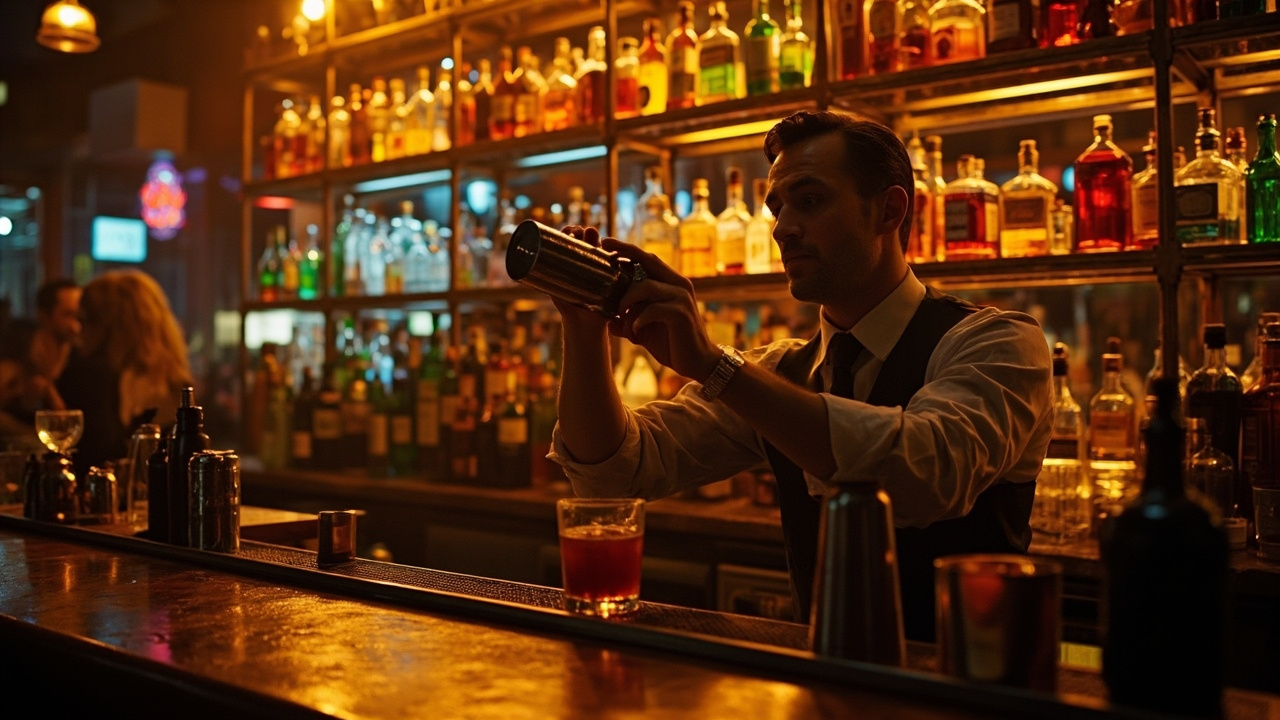
Running a restaurant or bar in the UK right now feels like walking a tightrope. Costs are up, good staff are hard to find, and customers expect more than ever. It's not just about serving decent food or pouring a good pint – it’s about getting every little thing right. Sounds obvious, but it’s easily lost sight of in the day-to-day chaos. And it's everything.
The Daily Grind for Restaurant and Bar Owners
Juggling everything feels relentless. Ingredient prices jump around like crazy, managing a diverse team is a constant learning curve, and the pressure of online reviews is always looming. Staff turnover? A killer. The cost of finding new people and training them (often from scratch) just adds to the stress. It’s a vicious cycle that hits service quality hard.
The competition is brutal. Customers have endless choices, and their standards are sky-high. One bad experience – a forgotten drink, a sticky table, a missed allergy – and they're gone. And they’ll tell everyone online. Repeat business is the holy grail, but achieving it takes a level of precision that feels almost impossible some days. You end up firefighting instead of building something great.
The pressure's on. Every detail matters. From the moment someone walks in, their experience is built on tiny interactions. A wonky picture frame, a slightly grubby uniform, or a missed chance to be friendly can ruin their perception, no matter how good the food or drink is. Spotting and fixing these things? That's what separates the good from the truly great.
What the Numbers Say
Lots of places focus on flashy marketing or fancy decor. But booteek Intelligence data shows that the real difference lies in attention to detail. We analysis of nearly 300 independent UK hospitality job ads and found that only 19.5% specifically mention "attention to detail" for front-of-house or bar staff. Seems like it’s either not considered that important when hiring, or people just assume everyone has it.
But here's the kicker: we analysed 25,000 customer reviews from UK restaurants and bars and found that issues like "forgotten order," "dirty table," or "slow service even though it was quiet" accounted for over 60% of negative feedback. People rarely praise attention to detail, but they sure as hell complain when it's missing. That's a huge disconnect. We're under-emphasising a skill that massively impacts customer happiness (and therefore, our bottom line).
The data doesn't lie. A shiny new bar or a trendy menu might get people through the door once. But it's the consistent, careful service that brings them back. People expect a basic level of quality. What makes them rave about a place are the small things that show you care. A spotless glass, a neatly folded napkin, getting the order right – these are the silent signals of a well-run place. That 19.5% figure isn't just a number; it's a missed opportunity to blow the competition away.
The "Attention to Detail" Connection
The gap between how little we talk about attention to detail in job descriptions and how much it matters to customers is where the magic happens. about having a proactive, thoughtful approach that touches everything a customer experiences. It turns an ordinary visit into something special. It's the secret ingredient that connects smooth operations, great staff, and happy customers.
Think about a customer's journey. It starts before they even walk in. Is the outside clean and inviting? Is the menu clear? Was the reservation handled smoothly? Inside, it's about spotless tables, polished cutlery, smart uniforms, and the right music at the right volume. It's about full condiment containers, sparkling glasses, and chairs that are straight. These small things create a sense of professionalism and care that people instantly pick up on.
It's also about nailing the service. Getting orders right, remembering customer preferences (even the small ones), making sure allergies are taken seriously, and timing everything perfectly. It's noticing an empty glass and offering a refill before being asked, or jumping in when someone's struggling to get a server's attention. This is more than just efficiency; it's genuine hospitality. It makes people feel seen, valued, and looked after. Plus, it cuts down on mistakes, reduces waste, and simplifies everything, which is good for the bank balance.
And when things do go wrong (because they will), a team member with a sharp eye will spot it quickly, fix it proactively, and make sure the customer is happy. This can turn a bad situation into a good one, showing that you're resilient and care about your customers. By making this a core skill across your team, you're not just improving service; you're building a solid operation that consistently goes above and beyond, earning loyalty and a great reputation.
Building Attention to Detail in Your Team
Building a culture of attention to detail isn't a quick fix. It takes effort, training, and commitment from the top. Here are three things you can do:
- "The Daily Detail Check" – with Pictures!
- Do this: Start every shift with a quick, visual "Daily Detail Check". Don't just talk about it; walk around and show people what you mean. Create laminated checklists for each area (bar, dining room, kitchen, even the loos) with specific points. For the bar: "Bottles faced forward," "Ice clean and full," "Garnish fresh," "Coasters stacked". For the dining room: "Tables clean," "Chairs straight," "Salt/pepper full," "Menus clean."
- Example: Before service, the manager walks the team through the room, pointing out things on the checklist. "See that smudge on the window? That's a detail. This menu's bent, let's replace it. Are the candles lit and straight?"
- Why it works: Visual reminders make it clear what "detailed" looks like, making it easier for staff to understand and copy.
- "The Proactive Spotter" – Give People Ownership
- Do this: Make everyone feel responsible for spotting and fixing problems, no matter their job. Encourage them to be guardians of the customer experience, not just robots doing tasks. Give them the power to fix small things without asking a manager every time.
- Example: A bartender sees a table that's been cleared but not wiped properly, or a server spots a loose floor tile. Instead of waiting for a manager, they wipe the table themselves or report the tile and put up a warning sign. Then, praise them for it in team meetings.
- Why it works: Giving people ownership makes them feel proud, boosts morale, and gets problems fixed fast, before they upset a customer.
- "The Detail Debrief" – Feedback and Praise
- Do this: Have a quick "Detail Debrief" after shifts or in weekly meetings. Talk about where attention to detail was great and where it could be better. Always be constructive. And celebrate good examples.
- Example: At the end of the shift, the manager says, "Great job, everyone. Sarah, I saw you refold those napkins at Table 7 after the spill without being asked – that's fantastic. But we had a comment about the outside seating area. Let's think about how we can keep that perfect tomorrow."
- Why it works: Consistent feedback makes attention to detail a normal, valued part of the job.
The Loyalty Mindset Shift
Making attention to detail a core part of your restaurant or bar isn't just about better service; it's about creating a loyalty mindset, both in your team and your customers. It's about building a culture where everyone cares about making the guest experience amazing. When staff focus on the small things, they start to see their job as a craft.
This makes your team feel more valued and trusted. When they're trained to spot and fix problems, they feel more responsible and proud of their work. This improves staff retention. It means they're not just working for a paycheck; they're invested in the success of the place. This makes for a happier, more motivated team, which cuts down on the expensive problem of staff turnover.
And here's the best part: this translates directly into customer loyalty. When people get consistently great service – perfectly made drinks, beautifully presented food, and thoughtful interactions – they don't just enjoy their visit; they feel cared for. It turns a simple transaction into a memorable experience. This builds trust, which is the foundation of loyalty. Customers are more likely to come back, recommend you to friends, and even forgive small mistakes because they know you generally care about getting things right. They become advocates, not just customers.
Ultimately, it's about building a brand known for quality and care. It's about going beyond expectations through the power of precision. This culture of excellence, driven by attention to detail, makes your restaurant or bar stand out, creating a cycle of happy staff, delighted guests, and lasting profits. It's investing in your people, and it pays off with loyal customers.
What This Means for Your Business
For UK restaurant and bar owners, focusing on attention to detail is a real way to build a successful business. It means not just serving food and drinks, but crafting amazing, memorable experiences that connect with your customers. This will affect several important areas:
First, you'll see happier customers. When every detail is perfect, they feel valued and respected. This leads to great online reviews, higher ratings, and positive word-of-mouth – the best and cheapest marketing you can get. Second, you'll get more repeat business. Customers who consistently get great service are more likely to choose you over the competition, giving you a steady income.
Also, a culture of attention to detail reduces mistakes, waste, and complaints, saving you time and money. Your team will be more efficient, proactive, and engaged, leading to better morale and less turnover – a huge relief in today's tough job market. This creates a positive cycle: happy staff give better service, leading to happier customers, which motivates staff even more.
Basically, focusing on attention to detail isn't a luxury; it's essential. It's the difference between just surviving and truly thriving in the UK hospitality industry. Start today by using these tips, helping your team, and building a culture of excellence. The return on this investment, in both customer loyalty and a healthy business, will be huge.
booteek helps restaurant AND bar owners track team development automatically. Our AI Business Brain transforms how you understand and grow your team.