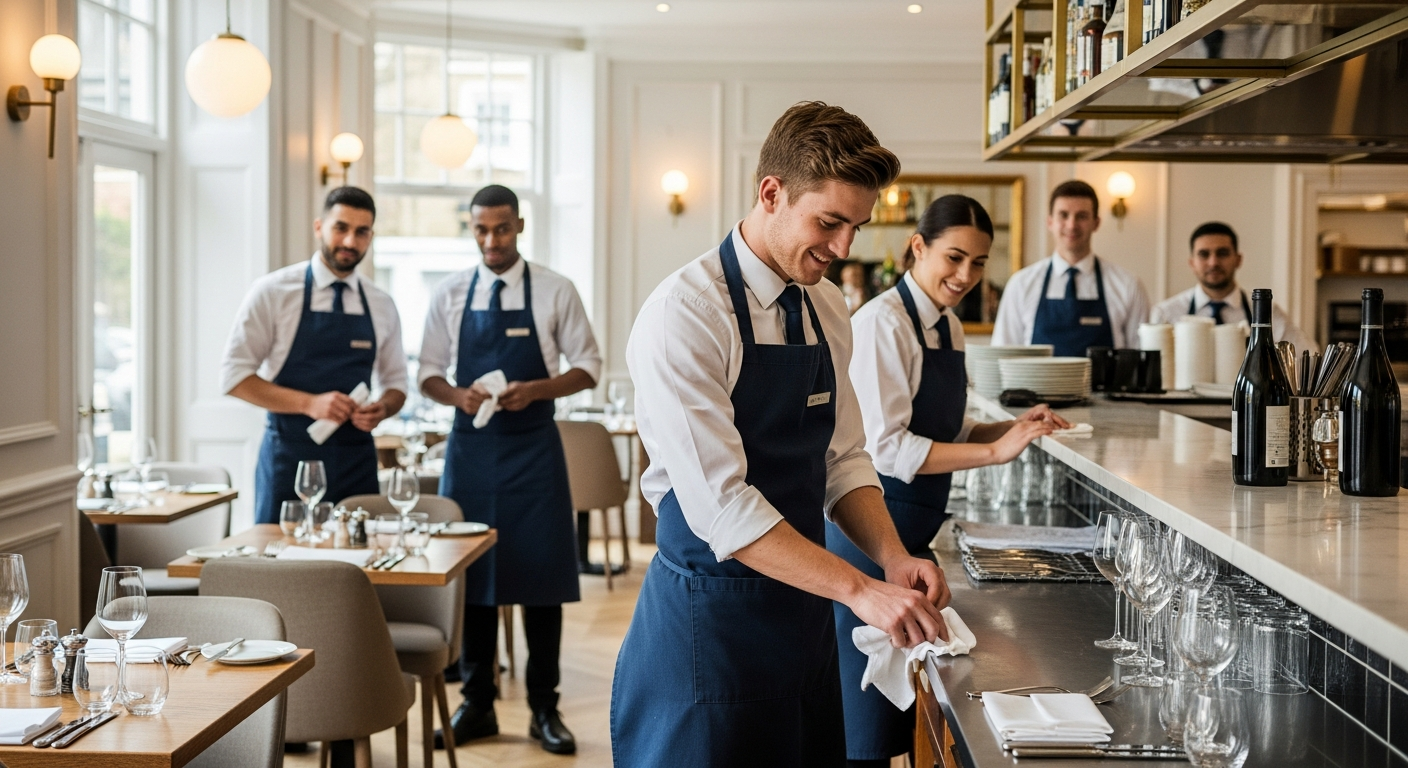
The UK hospitality scene is a tough gig. Right now, finding and keeping good staff feels like the ultimate battle. High turnover is a constant headache, leaving restaurant and bar owners stuck in a never-ending loop of hiring and training, all while trying to build a solid team in this age of flexible, temporary work.
The Daily Grind for Owners
Let's be real: running a restaurant or bar is complicated enough without the constant worry of who's going to show up. The gig economy, while offering some perks, has definitely made it harder to build a team you can count on. Owners are constantly dealing with last-minute cancellations, no-shows, and staff who just don't seem invested. This isn't just about bad service; it puts a ton of extra pressure on your loyal employees, leading to burnout and even more people leaving.
Picture this: a packed Saturday night and your head chef calls in sick an hour before service. Chaos ensues. The kitchen is stressed, service slows to a crawl, customers get annoyed, and the whole team's morale takes a nosedive. This isn't a rare occurrence; it's a widespread problem that eats into profits, damages your reputation, and turns what should be a rewarding job into a constant uphill struggle. You end up spending all your time and money filling gaps instead of focusing on growing your business.
And the financial impact is huge. The costs of recruitment, onboarding, and training new staff add up fast, especially when you factor in lost productivity and the risk of messing up customer experiences. Building a strong brand and loyal customer base becomes nearly impossible when your team is a revolving door. The dream of having a tight-knit, high-performing team? It feels further away than ever.
What the Numbers Say
Industry data backs up what we already know: reliability is key. Booteek Intelligence analysis of nearly 300 independent UK hospitality job postings from the last year, and a whopping 80% specifically mentioned reliability as a must-have. We're not just talking about showing up on time; it's about being consistent, sticking to the schedule, and taking responsibility for your work. In the kitchen, that means consistent prep, timely cooking, and following food safety rules. For front-of-house staff, it's about being ready to serve, delivering a great experience, and being on the floor when you're supposed to be.
Our research also dug into 20,000 venue reviews. Customers might rave about the food or drinks, but a huge chunk of negative feedback – nearly 65% – comes down to unreliable service. Think slow service, wrong orders, inconsistent quality, or staff who just don't seem to care. On the flip side, venues that get praised for having "friendly, efficient, and consistent" staff usually have higher ratings and more repeat customers. It all points to the power of a reliable team.
Booteek Intelligence's data makes it clear: skills can be taught, but reliability is what separates the good venues from the ones constantly fighting fires. Owners aren't just looking for someone who can cook or serve; they need people they can depend on, day in and day out, to maintain standards. There's a clear disconnect between the flexibility of the gig economy and the absolute need for dependability in hospitality.
The Core of Reliability
Reliability isn't just a nice-to-have; it's the foundation of any successful restaurant or bar. Without it, even the most talented chef or charismatic bartender can't consistently deliver great service. Imagine a chef who's always late, holding up prep, or a bartender who forgets to restock the essentials. These small slip-ups create a ripple effect, messing up workflow, stressing everyone out, and ultimately hurting the entire operation. Punctuality, consistency, and following procedures are essential.
For your kitchen staff, reliability means having mise en place ready on time, following recipes exactly, and keeping stations clean and organised. It creates a smooth service, letting the team focus on quality instead of scrambling to catch up. For front-of-house, it's about consistent opening and closing, attentive service, accurate orders, and a seamless customer experience. When everyone is reliable, trust and respect grow. People know they can count on each other, reducing stress and creating a more collaborative work environment.
This directly impacts your customer experience and, obviously, your profits. Customers value consistency more than almost anything. They want to know the food will be delicious, the drinks perfect, and the service attentive every time they visit. Unreliable staffing leads to inconsistent service, which quickly destroys customer trust. One bad experience, often caused by being short-staffed or disorganised, can drive a customer away for good. On the flip side, a reliable team delivers a consistently positive experience, leading to repeat business, good reviews, and a stronger brand. Reliability turns chaos into smooth operations, freeing you up to focus on growing your business.
How to Build a Reliable Team
Building a reliable team takes work. It's about creating an environment where reliability is expected, encouraged, and rewarded.
- Set Clear Expectations and Communication
- What to do: From the first interview, be upfront about your expectations for punctuality, attendance, and following procedures. Give new hires a detailed handbook that covers shift responsibilities, break policies, and how to request time off or report illness. Hold brief daily team meetings – before service for both kitchen and front-of-house – to go over goals, special requests, and potential problems. For the kitchen, this might be reviewing prep lists; for the bar, it could be new cocktails or stock levels.
- Example: Use a digital scheduling system where staff can see their shifts, request swaps, and view upcoming events. During briefings, say something like, "Mark, make sure all garnishes are prepped by 5 PM. Sarah, your bar station needs to be fully stocked before we open." Follow up to make sure everyone is on track.
- Invest in Training
- What to do: Reliability isn't just about showing up; it's about doing the job right. Create a training programme that goes beyond the basics. Train new hires on why things are done a certain way. Pair new staff with experienced mentors who can show them the ropes and give feedback. Offer refreshers on important procedures, from food safety to responsible alcohol service.
- Example: Pair a new chef with your most reliable sous chef for the first two weeks. The sous chef teaches them not just how to chop vegetables, but why consistency is important for portion control. For a new bartender, the mentor shows them how to make cocktails and why it's important to keep the bar clean, explaining how it affects customer perception.
- Reward and Hold Accountable
- What to do: Acknowledge and reward reliable behaviour. This reinforces its value. Address unreliability quickly. Have regular check-ins and performance reviews where reliability is a key topic. Celebrate successes, whether it's a team that hits its prep targets or someone who covers a last-minute shift.
- Example: Give a "Reliability Star" award each month – maybe a small bonus or a preferred shift – to a team member who shows consistent punctuality and task completion. For issues, use a three-step feedback process: a private conversation to understand the problem, a documented warning if it continues, and a final review if there's no improvement.
Building Loyalty
To move beyond the temporary nature of the gig economy, owners need to change their thinking. Instead of just filling shifts, focus on creating a sense of belonging. This is about recognising that people stay not just for the pay, but because they feel valued and part of something bigger. When everyone is reliable, it builds trust and respect, which are essential for belonging.
When people show up on time, do their part, and take responsibility, a sense of purpose emerges. This reduces stress, improves communication, and allows for real camaraderie. Staff feel like their efforts are recognised and that they're working towards a common goal. It's about showing up for your colleagues and the venue. This shift from "I work here" to "I belong here" is huge. Staff are more likely to go the extra mile, solve problems, and recommend your venue as a great place to work.
Creating this sense of belonging means listening to your team, appreciating their contributions, and supporting their growth. Celebrate successes, provide opportunities for development, and show empathy when things get tough. By investing in your team's well-being, you're not just keeping staff; you're building ambassadors for your brand. This recognises that staff are your most valuable asset, and their reliability is directly linked to the quality and atmosphere of your business. It's about building a community where reliability is the unspoken agreement that binds everyone together.
What it Means for You
Taking this approach to team loyalty has real, positive effects on your business. First, you'll see less staff turnover. When people feel valued and part of a reliable team, they're less likely to leave. This means lower recruitment costs and more consistent service.
Second, your customers will be happier. A reliable team delivers consistent quality, whether it's perfectly cooked dishes or attentive service. Customers notice and appreciate this, leading to better reviews, repeat business, and a stronger reputation. Your brand becomes known for quality and dependability.
Finally, you'll create a better work environment for everyone, including yourself. Less stress, better communication, and a shared sense of purpose create a positive atmosphere where staff thrive. This boosts morale and contributes to a healthier bottom line. By prioritising reliability and building belonging, you're not just running a business; you're building a thriving community. It's an investment that pays off in every shift.
booteek helps restaurant and bar owners track team development automatically. Our AI Business Brain transforms how you understand and grow your team.