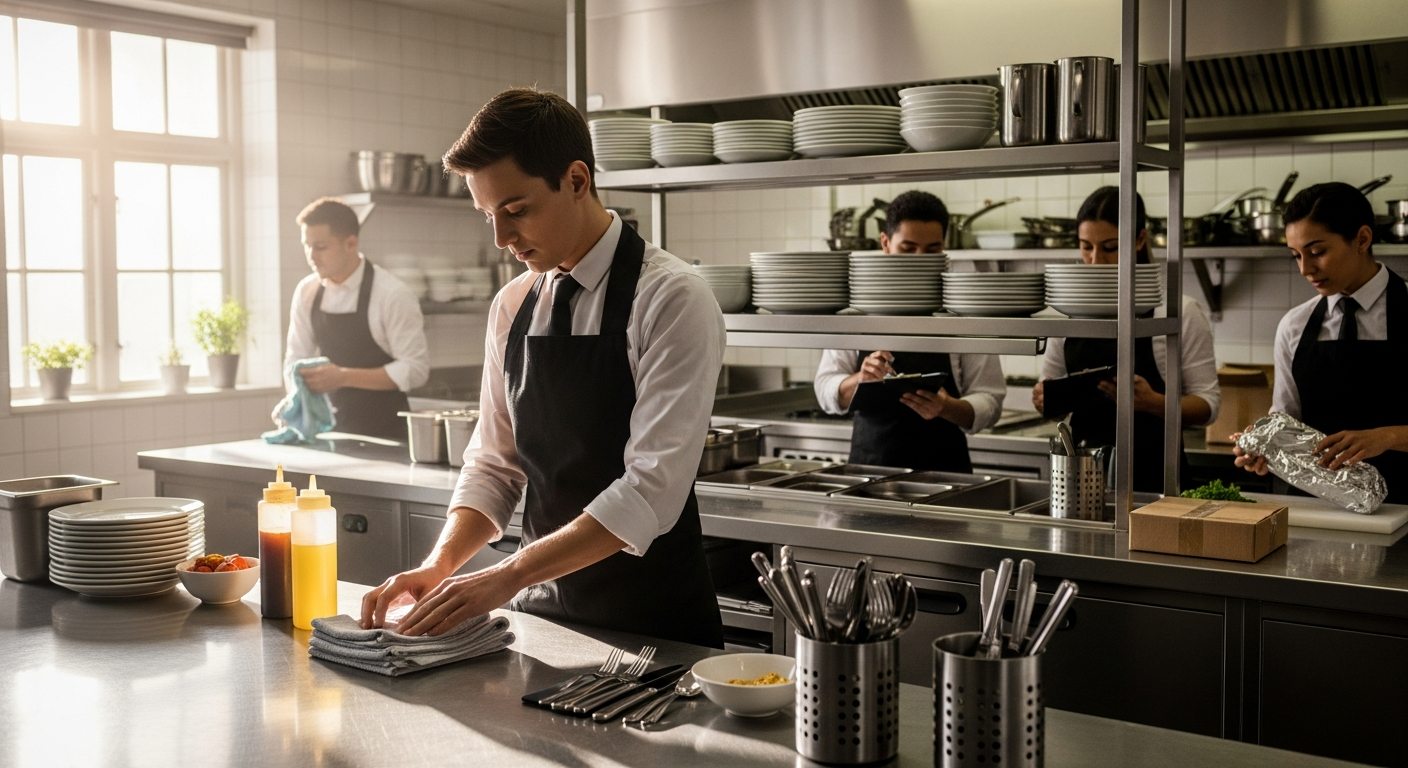
The UK hospitality scene feels like it's constantly on a merry-go-round, with so many places struggling to hold onto good people, especially now everyone's after more flexible work. For anyone running a restaurant or bar, this usually means a mad dash to cover shifts, service that’s all over the place, and resources just draining away. But here’s the thing: even with all this instability, a solid, loyal team is still the absolute backbone of any successful venture.
The Daily Grind for Restaurant and Bar Owners
The challenges facing restaurant and bar owners these days are, frankly, a bit overwhelming. But I’d argue none hit quite as hard as the constant headache of inconsistent staffing. The gig economy, while a godsend for some workers, has accidentally created a culture where loyalty can feel like a quaint, forgotten notion. And kitchens? They really bear the brunt of it.
Imagine the chaos: a prep cook calls in sick last minute with no cover, a line cook just doesn't show up, or the kitchen porter misses half their duties. That’s not just an inconvenience; it can send the entire service into a tailspin. Quality dips, everyone else gets stressed to the hilt, and before you know it, your venue’s reputation and bottom line are taking a beating.
This constant state of flux isn't just bad for business, it absolutely batters morale. When teams are always short-staffed or relying on a revolving door of temporary faces, that crucial sense of camaraderie and shared purpose just… vanishes. Your long-serving staff get burnt out, feeling unsupported and unappreciated, which, predictably, leads to even more resignations. Owners end up trapped in a never-ending cycle of recruitment and training, instead of actually focusing on making their place better or growing the business.
The financial hit is massive. Think about it: recruitment costs, reduced productivity, wasted food, lost revenue from cancelled bookings or having to cut back on service. Tackling this fundamental instability isn't just about plugging gaps; it’s about creating an environment where people genuinely want to be, day in, day out.
What Our Data Actually Shows
The demand for core hospitality skills is crystal clear. Our booteek Intelligence analysis, which looked at nearly 600 independent UK hospitality job postings, uncovered something pretty telling: a whopping 80% of those jobs explicitly ask for reliability as a key attribute. This isn't just a nice-to-have; it's absolutely vital for things to run smoothly, especially in the high-pressure cooker of a professional kitchen.
When we dug deeper into kitchen roles specifically, this really stood out. For kitchen porters (we looked at 26 postings), 'reliable' was a top requirement, right up there with 'responsible' and 'organised'. Similarly, sous chefs (from 17 postings) were highly valued for being 'reliable', 'responsible', and 'committed'. These traits directly link to someone consistently doing their job, turning up on time, and following through – which, let's face it, is the definition of reliability.
Now, 'reliable' might not pop up as a top trait for every single role, but related attributes consistently appeared. Line cooks (55 postings) were sought for being 'committed' and 'responsible' – traits that underpin reliable behaviour. Head chefs (28 postings) were primarily valued for being 'responsible' and 'organised', reflecting the critical need for dependable leadership at the top. Even pastry chefs (10 postings), with their top traits like 'responsible' and 'focused', show a clear need for consistent, dependable execution in their intricate work. And prep cooks (8 postings) were valued for being 'disciplined', 'committed', and 'responsible' – all directly contributing to a reliable workflow.
Across the board, from the crucial support of a kitchen porter to the strategic mind of a head chef, the common thread is a consistent need for people you can count on. Our booteek Intelligence data proves that while skills like problem-solving and planning are important, they’re significantly boosted by a team’s collective reliability. Without staff turning up consistently and putting in the effort, even the most skilled kitchen team will struggle to perform at their best and deliver those exceptional guest experiences.
The Reliability Connection: It's Everything
Reliability in the kitchen isn't just a trendy buzzword; it's the very foundation upon which efficiency, quality, and ultimately, loyalty are built. When every single member of your kitchen team – from the prep cook to the head chef – can be relied upon, the whole operation just... transforms. Shifts start on time. Prep lists are completed without that frantic, last-minute panic. Service flows seamlessly, even during the busiest hours. This consistency directly impacts the quality of every dish leaving your pass, ensuring it meets your venue’s high standards, every single time.
A reliable team dramatically reduces stress for everyone. When a line cook knows their colleague will show up on time and prepared, it takes a huge load off their shoulders, removing that constant worry about being understaffed. When a head chef trusts the kitchen porter to keep stations clean and organised, they can actually focus on culinary excellence instead of putting out operational fires. This drop in stress creates a much more positive and productive working environment, making the kitchen a place where people feel supported, not constantly on edge.
What’s more, reliability builds trust – and not just between management and staff, but crucially, amongst team members themselves. When everyone consistently pulls their weight, respects schedules, and takes responsibility for their roles, a strong sense of mutual respect and camaraderie naturally develops. This collective trust is invaluable in a kitchen, where teamwork is paramount, and one person’s momentary lapse can throw the entire brigade off. It means everyone feels confident in their colleagues' abilities and commitment, creating a truly cohesive unit that can weather just about any storm.
Ultimately, reliability directly shapes the customer experience. A kitchen that runs with consistent, reliable staff means fewer mistakes, faster service, and a much more enjoyable dining experience for your guests. This positive cycle – happy customers, less stressed staff, higher quality output – reinforces how vital reliability is and contributes massively to your venue’s overall success and reputation. Honestly, it’s the foundational skill that underpins every other aspect of a thriving hospitality business.
Building a Reliable Team: It Takes Work
Cultivating reliability within your kitchen team isn’t just about hoping people show up; it requires a thoughtful, proactive approach. It’s about creating an environment where reliability is truly valued, supported, and yes, rewarded.
1. Be Brutally Clear About Expectations (and What Happens When They're Not Met). Reliability starts with clarity. From the moment a new kitchen porter walks through the door, make sure they understand exactly what's expected of them regarding attendance, punctuality, and task completion. For instance, set up a detailed onboarding process with a role-specific checklist for daily duties, opening and closing procedures, and clear communication protocols for lateness or absence. For a line cook, this might mean a precise breakdown of prep station responsibilities and cross-training requirements. Review these expectations regularly in one-to-one chats or team meetings. And critically, establish consistent, fair consequences for failing to meet these standards. This isn't about punishment; it’s about upholding professional boundaries and ensuring fairness for those who are reliable. For example, a documented conversation for a first instance of lateness, followed by a formal warning for repeat occurrences, clearly communicates that reliability is non-negotiable.
2. Give People Ownership and Make Them Accountable. To truly embed reliability, team members need to feel a sense of ownership over their roles and understand their individual impact on the whole. Empower your sous chefs and pastry chefs by giving them specific projects or sections to manage, like developing a new dessert menu or overseeing inventory for a particular station. For a prep cook, this could involve entrusting them with the responsibility for a critical prep item, from sourcing to final presentation, rather than just basic chopping. Regularly ask for feedback on operational processes; a kitchen porter might have brilliant insights into improving waste management or equipment cleaning schedules. When staff feel their input is valued, they’re far more likely to take pride in their work and be accountable for their contributions. Celebrate consistent, reliable performance publicly – maybe a "Reliability Star of the Month" award – to reinforce positive behaviour and show that their dependability is noticed and appreciated.
3. Support Your Team, Help Them Grow. Sometimes, unreliability isn't about a lack of willingness, but a lack of capability or support. Invest in training that directly enhances skills related to reliability. For example, offer time management workshops for all kitchen staff, teaching them how to prioritise tasks effectively and manage their shift efficiently. Provide cross-training opportunities for line cooks, so they can confidently step into different roles if a colleague is unexpectedly absent, reducing the impact of individual unreliability. Beyond practical skills, consider offering support for personal well-being. Access to mental health resources or flexible scheduling options (where possible) can help staff manage life's challenges, making it easier for them to be consistently present and focused. A head chef who invests in mentoring their team, providing clear pathways for career progression (e.g., from prep cook to line cook), demonstrates a long-term commitment that encourages staff to invest their own loyalty and reliability in return.
The Loyalty Mindset Shift: More Than Just a Job
Shifting from that transactional, gig-economy mindset to one of genuine, deep-seated loyalty really hinges on cultivating a profound sense of belonging within your kitchen team. Reliability, far from being just a functional requirement, is the absolute cornerstone of this transformation. When every team member consistently demonstrates reliability – showing up on time, completing tasks diligently, and communicating effectively – it creates an environment of trust and mutual respect. And that trust? That's the fertile ground where a sense of belonging can truly flourish.
Imagine a kitchen where every line cook, every sous chef, and every kitchen porter knows, deep down, they can depend on their colleagues. This predictability slashes anxiety and fosters a feeling of psychological safety. Team members feel secure, knowing they are part of a cohesive unit where everyone is pulling their weight. This shared commitment strengthens bonds, allowing genuine camaraderie and even friendships to develop. It transforms the workplace from merely a place to earn a wage into a community where individuals feel valued, understood, and supported.
This sense of belonging is absolutely vital for retention. When staff feel like they are part of something bigger than themselves – a team, a family, a successful venue – they are far less likely to go looking for opportunities elsewhere. They become emotionally invested in the success of the business and the well-being of their colleagues. The loyalty mindset shifts from "What can this job do for me?" to "How can I contribute to our collective success?" This is particularly true for roles like a prep cook or kitchen porter, where a strong sense of belonging can elevate the perception of their contribution beyond mere tasks, integrating them fully into the kitchen’s identity.
Ultimately, by prioritising and fostering reliability, restaurant and bar owners create a truly virtuous cycle. Reliable staff build trust; trust fosters belonging; belonging cultivates loyalty. This isn't just about reducing turnover; it's about building a resilient, high-performing team that is proud to work for your venue and genuinely committed to its long-term success.
What This Means for Your Venue
For restaurant and bar owners, embracing reliability as the foundation for team loyalty offers a clear, tangible path to stability and success in our unpredictable market. First off, a reliable kitchen team drastically slashes those hidden costs associated with high turnover – all those recruitment fees, training new staff, and the sheer inefficiency of temporary labour. You’ll spend less time frantically covering shifts and more time actually focusing on making your customer offering better and growing your business.
Secondly, consistent reliability directly elevates the quality of your product and service. When your kitchen staff are dependable, your dishes are more consistent, service runs smoother, and customer satisfaction simply soars. This translates directly into stronger reviews, repeat business, and a far more robust brand reputation – something truly invaluable in today's competitive world. A reliable team means your head chef can genuinely innovate, knowing the execution will perfectly match their vision.
Thirdly, investing in reliability cultivates a wonderfully positive and productive work culture. Staff who feel supported, valued, and part of a cohesive unit are happier, more engaged, and far less prone to burnout. This improved morale leads to better teamwork, fewer internal conflicts, and a much more enjoyable environment for everyone. Your sous chefs and pastry chefs will absolutely thrive in an atmosphere of mutual trust and respect.
So, how do you put this into action? Start by clearly defining what reliability looks like for each kitchen role and weave those metrics into performance reviews. Implement a consistent feedback loop, celebrating reliable behaviour and addressing inconsistencies constructively and fairly. Invest in professional development that directly supports reliability, such as time management training or cross-skilling initiatives. And finally, foster an inclusive environment where every single team member, from the kitchen porter upwards, feels their contribution is absolutely critical to the collective success. By doing all this, you're not just managing staff; you're building a loyal, high-performing team that will be the bedrock of your venue's lasting success.
booteek helps restaurant and bar owners track team development automatically. Our AI Business Brain transforms how you understand and grow your team.