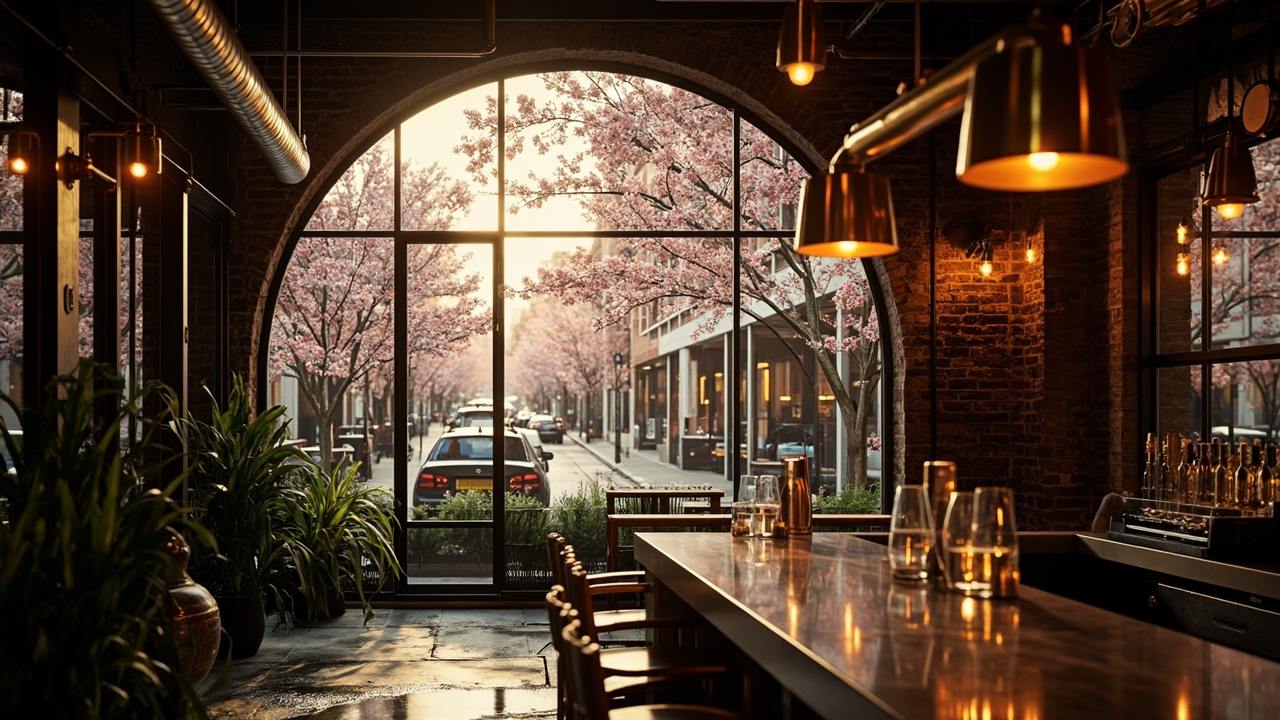
You know that knot in your stomach? The one that tightens when a customer asks for something… different. Not just a small tweak, but a request that feels designed to trip up your kitchen, stump your bar team, or completely throw off your smooth service. Maybe they want a dish entirely off-menu, a cocktail conjured from some hazy memory, or a table set up in a way you’ve never even considered. If you’ve ever felt a pang of guilt, a flash of irritation, or even a moment of "are we good enough?" in these situations, I want you to hit pause. That feeling isn't weakness. It's actually a sign that something really positive is happening in your restaurant or bar.
By booteek Editorial Team
Here’s the quick takeaway:
- A 2023 SevenRooms report found that 70% of UK diners are more likely to return if they get a personalised experience. So, unique customer requests are actually gold-plated chances to build loyalty and truly stand out.
- Empower your staff. Let them get creative. Tricky moments can become memorable service.
- Always be clear and confident about what you can do, even if it’s not exactly what they asked for. Try to get to the heart of what they really want.
Why do unusual customer requests make me feel inadequate?
I completely get it. You’ve poured your heart and soul into crafting a menu, designing a drinks list, and training your team to deliver a consistent, top-notch experience. So, when someone veers off-piste, it can feel like a direct criticism. A wrench in the works. Maybe even a personal slight to your carefully built vision. You might worry about the extra time, the potential for mistakes, or what other diners will think. "Are we a greasy spoon now?" you might grumble. "Is our menu just not cutting it?" These thoughts are natural. But they’re missing the bigger picture entirely.
That customer with the super specific request isn’t saying your menu is rubbish. They’re actually paying you a massive compliment. They’re showing a level of trust and comfort with your place that’s incredibly precious. They feel safe enough, confident enough in your team, to ask for exactly what they truly fancy, even if it’s not explicitly listed. They believe you might be able to pull it off, or at least consider their wish with genuine care. For me, this shows your hospitality isn't just about serving food and drink. It’s about creating a space where people feel genuinely seen, heard, and looked after on a personal level. People don’t ask for tailor-made experiences in places they don’t trust or feel a connection to. They go where they sense a real willingness to put in that extra bit of effort.
Just last Tuesday, a regular at my old pub asked for a specific cocktail he’d had on a trip to Barcelona. It definitely wasn't on our list. My bar manager, Liam, could have just said no. Instead, he listened to the ingredients, asked about the flavour profile, and came up with something close using our house spirits. The customer ordered three more. That kind of trust doesn’t just appear out of nowhere. It builds over time, through countless small interactions where your team shows they care.
That feeling of inadequacy often comes from a deep-seated desire for control. You’ve worked hard to create a predictable, efficient system. A special order feels like a rogue element, a challenge to your carefully constructed flow. But that challenge? That’s where real growth happens. It’s where your team proves their mettle, and where your venue truly shines. It shows you operate a dynamic, living business, not just a static menu.
How can my bar team handle special drink orders without chaos?
Picture a bustling Friday night. The bar’s three deep, and a customer asks your bartender, Sarah, for "something refreshing, not too sweet, with gin, but no citrus… maybe a hint of elderflower?" Your first internal scream might be, "Oh, for goodness sake, just pick something!" But Sarah, your ace bartender, doesn’t even flinch. She pauses, thinks it through, and confidently suggests a drink using a specific gin, a house-made cordial, and a splash of tonic, explaining exactly why it hits those notes. The customer beams.
This isn't chaos; it’s a brilliant opportunity. It shows your bar team is skilled, knows their stuff, and is truly switched on. They’re not just following recipes; they’re artisans. When you give your team the freedom and training to interpret and respond to these requests, you unleash amazing potential. They learn to listen beyond the exact words, to grasp the vibe or flavour profile the customer is really after. This skill turns a potentially awkward moment into a shining example of personalised service. It also means your team is thinking on their feet, honing their craft, and feeling a greater sense of pride in what they do. This kind of flexibility, handled well, becomes a hallmark of your venue – something people remember and rave about to their colleagues. It’s a clear sign of your brand’s character: approachable, clever, and genuinely caring.
To avoid chaos, you need clear guidelines, not rigid rules. Train your bar staff to ask open-ended questions. "What kind of base spirit do you usually like?" "Sweet or dry?" "Fruity or herbal?" These questions help them narrow down the options quickly, even in a rush. Give them a mental framework: spirit, modifier, lengthener, garnish. This structure helps them improvise without losing control.
Make sure your team knows your inventory inside out. They need to understand what they can actually make with the ingredients on hand. There’s no point suggesting a rare liqueur you ran out of last week. A quick mental scan of available bottles lets them suggest viable options fast. This knowledge reduces friction and speeds up service, even for bespoke drinks.
Sometimes, a request is truly impossible. A customer might ask for something with an ingredient you just don’t stock. Teach your team to say "no" gracefully and offer a strong alternative. "I’m afraid we don’t have fresh lychees tonight, but if you like that floral note, our rose and gin fizz is incredibly popular and hits a similar sweet, delicate flavour." This still provides excellent service and shows care, even without fulfilling the exact request. It manages expectations while still giving a positive outcome.
What does a 'tricky' food allergy request really say about my service?
Now, let’s head to the kitchen. A table has a guest with a tricky dietary requirement – not just a straightforward nut allergy, but a complex mix of intolerances that makes ordering a standard dish a real headache. Your server, Mark, brings the request to the pass, and you might feel a familiar wave of pressure. "Oh, not another one?" you think. "This will slow everything down." But when your brilliant head chef, Maria, calmly reviews the menu, perhaps tweaking a sauce or swapping an ingredient, and Mark returns to the table with a confident, clear explanation of what they can prepare, something pretty special happens.
This isn’t a tricky situation. It’s solid proof of your excellent operations and real care for every single guest. It shows your kitchen and front-of-house staff aren’t just taking orders; they’re making sure everyone has a safe and enjoyable dining experience. Your ability to handle these specific needs, even if it means a slight detour from the norm, tells customers that their well-being and comfort are top priorities. It shows you value their business enough to genuinely make an effort. In a world where diners are increasingly health-conscious and clued-up, venues that can confidently and capably handle complex dietary requests truly stand out. This level of attention speaks volumes about your service quality – far more than just printing 'many options available' on the menu. It shows you’re a place that truly accommodates, rather than just tolerates, diverse needs.
Handling complex allergies goes beyond good service. It’s about legal compliance and guest safety. A single mistake can have serious consequences, from a ruined evening to a hospital visit, and potentially severe reputational damage or legal action. Having clear communication protocols between FOH and BOH is not optional. Every request needs to be written down, confirmed, and double-checked. This process builds a strong safety net for everyone.
Think about a Saturday night, 8 PM, your busiest hour. A table of six has a guest with coeliac disease, a dairy intolerance, and a shellfish allergy. Your server needs to know immediately which dishes are naturally safe, which can be easily adapted, and which are completely off-limits. Your kitchen staff needs to understand cross-contamination risks and have dedicated prep areas or protocols. When this system works, it’s a silent ballet of efficiency and care. It demonstrates a professional kitchen, not just a busy one.
My old venue used a colour-coded system for allergy tickets. Red for severe, yellow for intolerance. It meant Maria, the head chef, could glance at the pass and instantly know the urgency and specific requirements. This simple visual cue… saved every shift she ran. No allergen confusion, no last-second swaps from the line, no whispered conversations between server and kitchen at the pass. The colour-coded ticket meant the system did the remembering, not the people.
If you take one thing from this: the venues that handle dietaries well aren't the ones with the most encyclopaedic staff knowledge. They're the ones with a system that takes the cognitive load off whoever's tired, distracted, or new. Build the system. Train the team to trust it. Stop relying on whoever's most experienced being on the floor.