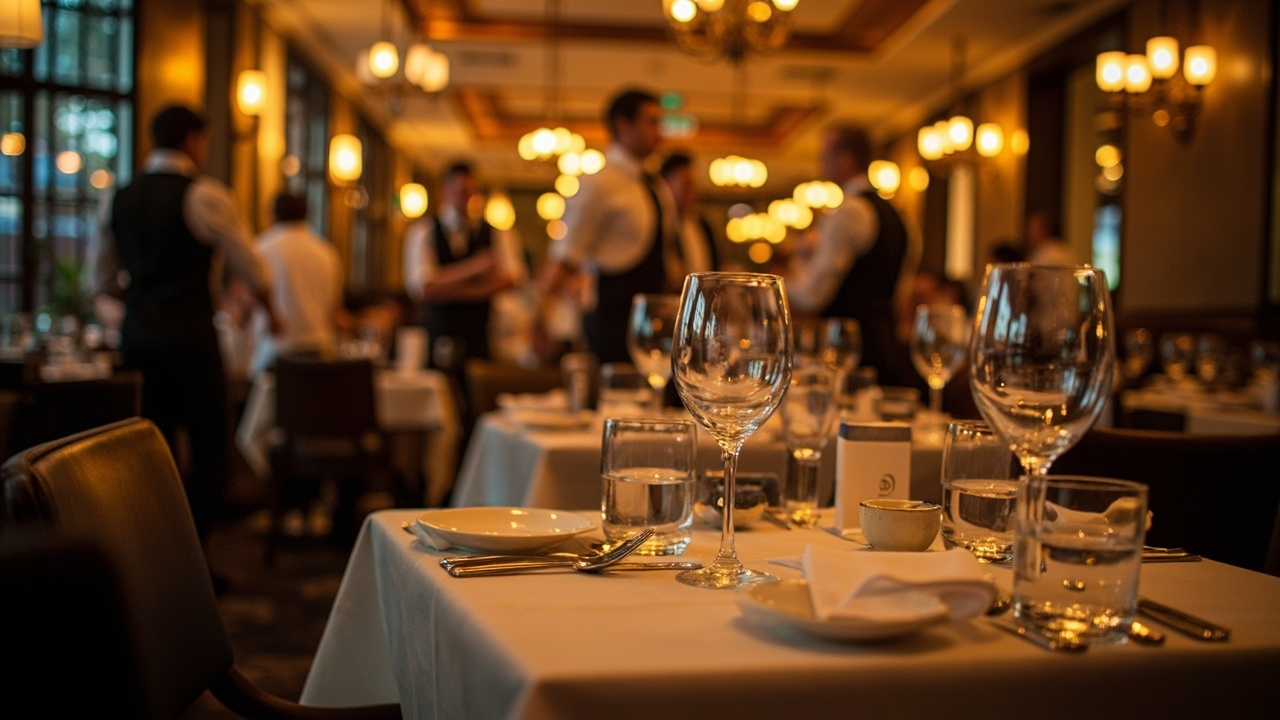
You know that feeling, right? Saturday night, your venue packed solid, the bar alive with cocktail shakers, kitchen printers spitting out orders faster than you can blink. The air thick with the smell of amazing food and happy chatter. Then, suddenly, a silence. Not the good kind. The kind that makes your stomach drop, the kind that screams "catastrophe" and threatens to unravel hours of work and the entire night's service.
That's exactly what happened to The Hearth & Hound in Bristol. A bustling Saturday evening, the sort every restaurant and bar owner dreams of, was suddenly derailed by a complete oven shutdown. No roasts, no baked dishes, no hot starters. Just a silent, dead beast where the heart of their kitchen should have been. This is their story, and it offers some brilliant lessons for anyone in hospitality.
Here's what The Hearth & Hound learned:
- Help your team think on their feet: Train your restaurant staff to adapt menus and service delivery when things go sideways. Give them the freedom to get creative during a crisis – it can turn a disaster into something truly memorable.
- Talk to your customers honestly: When things go wrong, address guests directly. Explain what's happening, be transparent, and offer real solutions or a little something extra. Don't leave people guessing; it just breeds frustration.
- Think about waste before a crisis hits: Look for clever ways to use prepped ingredients when service is disrupted. It's not just about saving money; it builds a reputation for being resourceful and smart.
How do you adapt a menu when kitchen equipment fails unexpectedly?
Elara, The Hearth & Hound's Head Chef, felt that immediate, sickening lurch. The oven, a sturdy old thing that had reliably produced their signature slow-cooked lamb and artisanal pizzas for years, just died. One moment it was purring; the next, a soft thud and then… nothing. Tickets were piling up, the printers still chugging out orders for dishes that now simply couldn't exist. The first thought is always panic. But Elara, after a moment that probably felt like an hour, shifted her focus. She knew fixing it right then wasn't an option – the engineer was hours away. Her mind raced, not to what they couldn't do, but what they could. And that's where things changed.
She looked at the ingredients, all meticulously prepped for the evening. The beautiful charcuterie boards, usually just a starter, suddenly looked like potential main course heroes. The fresh salads, the perfectly portioned fish ready for the grill, the various cuts of meat prepped for pan-frying, the desserts chilling. She didn't see a reduced menu; she saw a reimagined one. She called her sous chefs and senior kitchen staff together, her voice calm but firm. "The oven is out. We have two choices: close the kitchen, or give our guests an experience they won't forget." There was no hesitation from her team. They were absolutely in.
They started rewriting the menu on a whiteboard, item by item. All oven-dependent dishes were scrapped. They improved their charcuterie, piling on more artisanal cheeses and house-made pickles, presenting it as a substantial main course. They turned their prepped salad ingredients into elaborate mains with grilled halloumi or quickly pan-seared chicken from the induction hobs. They even came up with a "Deconstructed Shepherd's Pie" – rich lamb mince, usually topped with baked mash, was kept warm in a bain-marie, served with a separate pot of creamy mash and crispy fried onions. Everything plated without ever seeing an oven. Desserts, mostly cold or needing minimal heat, stayed mostly as planned. This wasn't a compromise; it was a curated, special edition menu, born out of necessity but executed with real flair.
What you can do at your place: Get your kitchen teams thinking beyond the printed menu. Encourage them to identify high-quality ingredients that can be cooked in multiple ways, even with limited equipment. What could be served cold? What can be quickly pan-fried, grilled, or turned into a fancy small plate? It's smart to have a contingency menu framework. This means identifying dishes that use different cooking methods and cross-training staff on various stations. That kind of flexibility is important for quick adaptation without compromising quality. This is a hugely overlooked part of good kitchen management.
What is the best way to communicate a service problem to your customers?
Out front, Liam, the General Manager, felt the sudden quiet from the kitchen. The usual rhythmic clang and sizzle had just vanished. He knew instantly something was wrong. He walked into the kitchen, saw Elara's determined face, and grasped the seriousness of it all. His first move wasn't to start barking orders, but to gather his front-of-house and bar team. "Listen," he said calmly, "we have a problem. The main oven is down. Elara is working on a new menu. Our job is to manage expectations, keep everyone happy, and make this a memorable night for all the right reasons."
Liam's approach to talking to customers was direct and proactive. He briefed his restaurant staff to approach each table before taking orders. "Good evening," they'd say, "we have a slight change to our menu tonight. Our main oven has decided to take an unexpected holiday. However, Head Chef Elara has designed a truly unique, one-off menu for this evening, featuring some incredible grilled and cold dishes, and we'd love to talk you through it. As a little apology for the inconvenience, please enjoy a round of drinks on us." The bar team was ready, offering a choice of popular cocktails, craft beers, and non-alcoholic options, making sure drinks service continued smoothly.
This immediate, transparent approach completely defused any potential frustration. People appreciate honesty. They like being treated as intelligent individuals who can understand a situation, not as problems to be managed. The complimentary drink really softened the blow and shifted the mood from potential grumbling to curiosity and even excitement about the special menu.
What you can do at your place: Proactive communication beats reactive apologies every time. Be honest about the issue, offer a clear and positive alternative, and provide a small, tangible gesture of goodwill. This disarms frustration and builds rapport, turning a potential negative into a chance for truly exceptional service. Help your senior service staff make discretionary decisions on the spot, especially for important tables or special occasions. A small investment in goodwill can pay off massively in positive word-of-mouth and online reviews. I've seen this strategy work wonders in countless hospitality settings.
How can a venue turn a service disaster into a positive reputation boost?
Then came a real test. A large table, a party of ten celebrating an engagement, had pre-ordered a significant number of oven-baked dishes. When their server explained the situation, their initial reaction was, understandably, disappointment. Liam personally went to their table. He explained Elara's innovative approach, describing the "special edition" menu with genuine enthusiasm. He offered them not just a round of drinks, but also a complimentary dessert platter for the entire table to share – a proper celebratory gesture. He encouraged them to see it as a unique story for their engagement, a night where The Hearth & Hound pulled out all the stops just for them. The party, completely won over by the honesty, the visible effort, and the generosity, absolutely embraced the change.
They ordered widely from the new menu, commenting throughout the evening on how inventive and delicious everything was. Later that night, and in the following days, their glowing online reviews specifically mentioned the oven breakdown and how The Hearth & Hound turned it into a "brilliant, unforgettable experience." This wasn't just a recovered night; it was a moment that defined their reputation. Word spread quickly through Bristol's hospitality circles. People started talking about the venue that could handle anything.
What you can do at your place: See challenges as chances to show off your exceptional service. How you handle a crisis can define your brand far more than any marketing campaign. Help your team not just solve problems, but create positive, memorable experiences out of difficult situations. Positive word-of-mouth from a well-handled crisis can be far more powerful than standard marketing, attracting customers who truly value resilience and ingenuity.
What strategies reduce food waste during unexpected operational challenges?
The immediate crisis was averted. The Hearth & Hound served almost as many covers as planned, with hardly any complaints and a surprising amount of praise. But the impact went further than just that Saturday night. Elara, reviewing the evening, realised how much prepped food, initially meant for oven dishes, had been repurposed. Practically nothing went to waste. This experience sparked a fundamental shift in her kitchen philosophy.
In the weeks that followed, she put a system in place where daily prep was much more modular. Instead of preparing ingredients specifically for oven dishes, they prepped components that could be assembled into various offerings. Vegetables were cut to be suitable for grilling, roasting (if the oven was working), or as a fresh salad component. Meats were portioned to be pan-fried, grilled, or used in a hot salad. This reduced potential waste if a dish wasn't popular, or, as they now knew, if equipment failed. They saw a 15% reduction in kitchen waste within three months, saving a considerable amount on ingredient costs and disposal fees. This also meant less reliance on specific pieces of equipment, building a much stronger and more adaptable kitchen operation.
Beyond the tangible savings, the experience forged a stronger bond among the restaurant staff and the bar team. They had faced a significant challenge together and won. This collective success boosted morale and confidence. Team meetings often referenced "the Saturday night" as a benchmark for what they could achieve when working together. The Hearth & Hound gained a reputation not just for great food, but for incredible service and resourcefulness under pressure. Bookings increased steadily, with many new customers mentioning the stories they'd heard about the venue's ability to shine even when things went wrong.
What you can do at your place: Take a look at your kitchen prep processes. Can ingredients be prepped in a more versatile way? Can component prep replace dish-specific prep to minimise waste and increase menu flexibility? This isn't just about crisis management; it's about building a more sustainable and efficient kitchen. Always debrief after a crisis. Celebrate the team's success in overcoming adversity. Use these moments to reinforce teamwork and problem-solving skills across your entire hospitality operation. Investing in adaptable systems and a resilient team pays dividends far beyond the initial cost.
The Hearth & Hound's Saturday night could have been a total nightmare. Instead, thanks to quick thinking, capable staff, and a laser focus on the customer experience, they transformed a major setback into a real triumph. They didn't just save their service; they polished their brand, boosted their bookings, and discovered a smarter, more efficient way to manage their kitchen resources. Any restaurant and bar owner can take inspiration from their story. It shows the power of a team ready to think on its feet and a management willing to trust them to deliver. That is what truly great hospitality looks like when the pressure is on.
Our Data
This analysis draws on booteek's proprietary research:
- Our proprietary Life Skills & Talents matrix for hospitality teams, built from our review of thousands of UK hospitality job postings via booteek Intelligence
- Live venue review corpus across Manchester, Porto, Bilbao, Seville, and other UK and Iberian cities (25,000+ reviews analysed)
- Ongoing behavioural research via booteek Breo, our AI companion for restaurant and bar owners
Where external statistics are cited, sources are named inline. Where the claim is derived from booteek's own measurement, we say so.