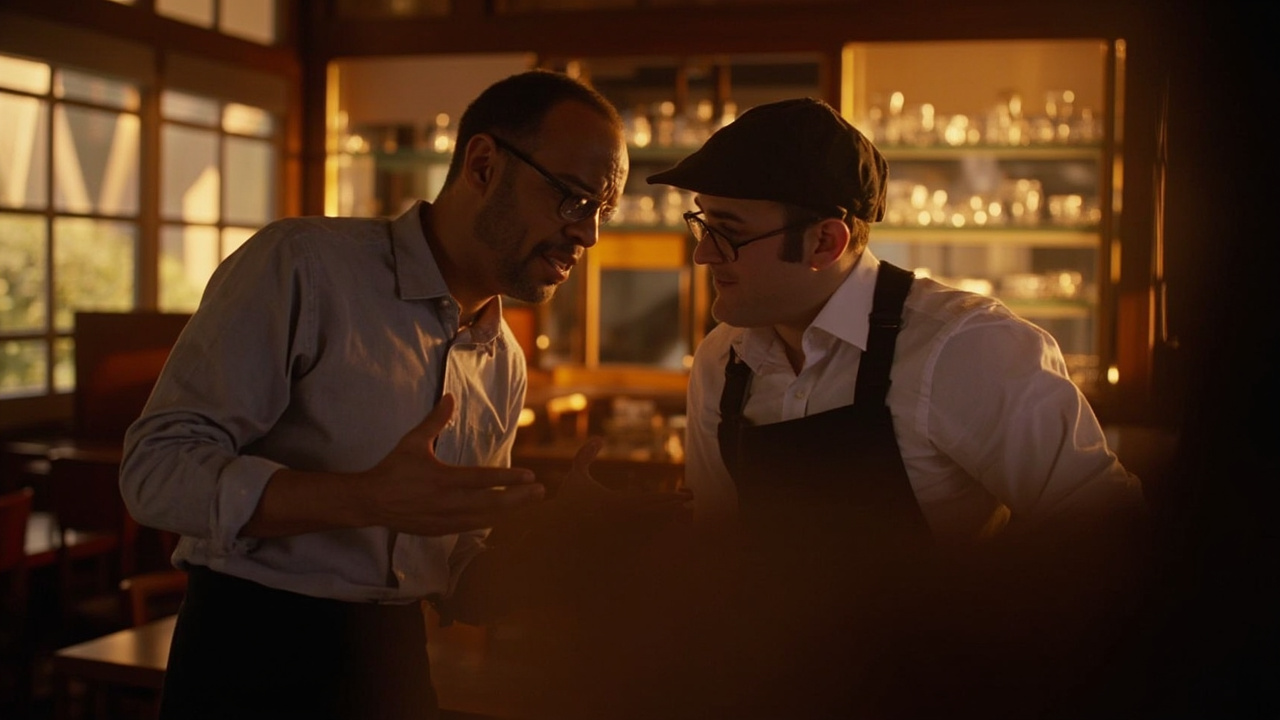
You know that feeling when a team just gets it? When they seem to anticipate what a customer needs before they even open their mouth, or head off a stock issue before it turns into a Friday night disaster? It's not magic. It's about cultivating a particular kind of awareness in your front-of-house leads and managers. This guide shows you how to nurture that sharp eye and ear in your restaurant and bar teams, without piling on extra pressure or making them feel constantly scrutinised.
Quick version:
Encourage your staff to practice the 'Pause & Notice' habit – taking a brief moment to truly take in their surroundings and customer interactions, instead of just reacting on autopilot. This helps them hear what's not being said. Train your bar and floor teams to 'Look Ahead'. Connect what they see now to what might happen next – spotting low stock or an empty water jug well before it becomes a problem. Finally, make spotting these details a shared win for the whole venue. This builds a culture where everyone feels clued in and engaged, without the entire burden falling on their shoulders.
Let's be honest. The customer who whispers an allergy almost as an afterthought, and it gets missed. Or that frantic shout from the bar because you've just run out of the house Prosecco on a bustling Friday evening. These aren't always glaring, catastrophic errors; often they're just tiny details that slipped through the net. But those tiny details, over time, chip away at your reputation, hit your bottom line, and pile stress onto already busy restaurant and bar owners and managers.
I've worked the floor for years, and I've seen the stark difference between a team that just serves and one that truly anticipates. The latter isn't blessed with some mystical sixth sense. They're trained to be observant, present, and to absorb details in a way that makes their job, and everyone else's, a whole lot smoother. My aim here isn't to demand more for the same pay, or to ask your team to be constantly on high alert. It's about building that kind of team by working smarter, not harder, and by giving them the practical tools to genuinely shine.
How do I get my team truly listening to customers?
It sounds simple, doesn't it? Just 'listen'. But true listening in a busy hospitality setting is a skill that needs honing. It's not just about waiting for the customer to stop talking so you can take their order. It's about being fully present in that moment, genuinely clued into what they're communicating – both with their words and their body language. That's how you catch the allergy mention that might otherwise slip by, or the subtle hint that they're celebrating something special.
Here's a straightforward way to coach your restaurant staff, without making them feel like they're undergoing interrogation. Encourage the 'pause'. When a customer speaks, especially when ordering or asking a question, tell your team to take a half-second beat before they respond. That tiny pause isn't just silence; it's an internal processing moment. It gives them time to take in details beyond the literal words. Are they hesitating? Do they sound unsure? Is there emphasis on a particular word? This pause lets them actually hear what's unsaid.
A customer might say, "I'll have the chicken burger, please," and then, almost under their breath, "Oh, and I'm allergic to nuts." A server who's merely hearing might only register the burger. But someone truly focused, who is observant and present, catches that vital second piece of information. They don't need to stare intently or make it awkward; they just need to be fully engaged. This approach avoids the stress and potential disaster of a missed allergy, without making the customer feel scrutinised. It builds trust because customers feel truly heard and understood, not just processed. Your bar team benefits hugely from this too. A casual chat with a customer might reveal a preference for a specific spirit they've not seen on the menu, opening up an easy opportunity for a tailored recommendation and a bigger sale.
How can staff anticipate needs before they're asked?
This is where the real payoff comes – that ability to see what's coming down the line and act before it becomes a problem. It's about connecting the dots, picking up on cues from the environment and the flow of service, not just waiting for direct requests. This is how you avoid running out of popular items, or how a table gets a fresh round of drinks just as their glasses empty, rather than having to flag someone down. It smooths out those little friction points that can really detract from the overall experience.
Think about your bar team. I've seen it a thousand times: the last bottle of a popular craft beer is pulled from the fridge, and suddenly everyone's scrambling to check stock. But an observant team member, someone truly clued into their surroundings, would have noticed that bottle was getting low an hour ago. They'd have already checked the cellar, put in an order, or at least flagged it to a manager. This foresight isn't extra work; it's just smart observation. They absorb details about stock levels as part of their routine scan of the bar, not as a separate, urgent task.
It's the same on the restaurant floor. A server walks past a table and notices an empty water jug, a guest subtly looking around for the bill, or a child starting to fidget. These are unspoken requests that an aware member of staff can act on immediately. They don't need to be asked; they just know. This proactive approach avoids delays, keeps customers happy, and importantly, reduces the mental load on your restaurant staff. They're not reacting to emergencies; they're preventing them. This level of foresight makes service feel seamless and effortless, without adding layers of checklists or making your team constantly chase their tails.
What makes for consistent, dependable service?
Consistency isn't just about following the same steps every time; it's about a collective commitment to observation and detail across your entire venue. When everyone on your team is observant and present, the chance of a detail being missed drops significantly. It's like having multiple pairs of eyes and ears, all working together to make sure nothing slips through the cracks. This is how you build a reputation for being the place where customers can always count on excellent service.
I've seen how a strong team works. One bar team member might be focused on drinks orders, but their peripheral vision still picks up on cues – a customer at the other end of the bar looks like they're trying to get attention. They don't have to serve them, but a quick nod to a colleague, or even just making eye contact, makes all the difference. On the restaurant floor, if one server notices a table's bread basket is empty and they're walking past with free hands, they don't wait for the table's assigned server. They just refill it. That's being truly engaged and part of a clued-in collective.
This shared responsibility for observation creates a reliable safety net. It means that even if one person is momentarily distracted, another observant member of staff will likely catch whatever needs attention. This collaborative approach keeps your service standards high, consistently, across every shift. This dependability, without needing managers to constantly hover, comes from building a culture where everyone feels ownership over the customer experience. It's about trusting your restaurant staff and bar team to make those small, smart decisions that keep everything running smoothly.
How do we keep our team sharp without burning them out?
This is the really important bit. We're asking our teams to be observant, present, clued in, to absorb details and pick up on cues. That sounds like a lot. The trick is that it's about focused attention, not constant, exhausting vigilance. It's about weaving these habits into their workflow in a way that feels natural and helping, rather than an additional burden. The last thing any restaurant or bar owner wants is a team that's brilliant at spotting details but is completely knackered by the end of their shift.
First, make it clear that this isn't about being on high alert every second. It's about developing a habit of observation during their active service periods. Encourage brief, regular 'scans' of their section or the bar – a quick look around to take in details – rather than a continuous, draining stare. This allows them to switch that fully engaged mode on and off, preserving their energy.
Second, help them to act on what they see. When a member of your restaurant staff hears what's unsaid or picks up on cues that a customer needs something, let them make the call. If they see a low stock item, let them order it. If they notice an empty glass, let them offer a refill. This reduces the mental load of having to report everything up the chain, wait for approval, and then act. It makes them feel valued and trusted, which encourages them to be more observant.
Finally, celebrate the 'catches'. When someone prevents a problem – whether it's an allergy mix-up or a stock shortage – acknowledge it. "Great shout on that low Prosecco, Sarah, saved us a headache!" Acknowledging their sharp listening skills and their proactive approach reinforces the behaviour positively. This approach stops your team from feeling overwhelmed or burnt out, without compromising the quality of their observation or the consistency of your service. It turns detail-spotting from a chore into a valued skill that benefits everyone, making your venue a place where both staff and customers genuinely thrive.
The investment that makes detail-spotting trainable — not a personality trait
The message of this post is that great attention to detail is a learnable skill, not a fixed characteristic. The implication is that it's worth investing in the right kind of development for young staff. Right now, the Government is funding exactly that investment.
Apprenticeship starts among young people in the UK have fallen by around 40% in a decade — not because owners stopped wanting to take on young staff, but because the economics made it harder. The 2026 reform reverses that for hospitality.
For an independent bar or restaurant taking on young staff in 2026:
- £0 training costs — fully funded for apprentices aged 16–21 in small businesses (Hospitality Team Member L2, Commis Chef L2)
- £0 employer NI — under-25 apprentices on an approved standard are fully exempt from Class 1 contributions
- £1,000 Young Apprentice Payment — for any apprentice aged 16–18 (£500 at day 90, £500 at one year)
- £3,000 UC Youth Jobs Grant — from June 2026, for hiring an 18–24-year-old who has been on Universal Credit for six months or more, direct to your business
A formally trained young staff member arrives with a structured understanding of observation, standards, and consistency — exactly the skills this post covers. The training costs nothing. booteek's free Apprenticeship Funding Checker shows what your venue qualifies for.
Our Data
This analysis draws on booteek's proprietary research:
- Our proprietary Life Skills & Talents matrix for hospitality teams, built from our review of thousands of UK hospitality job postings via booteek Intelligence
- Live venue review corpus across Manchester, Porto, Bilbao, Seville, and other UK and Iberian cities (25,000+ reviews analysed)
- Ongoing behavioural research via booteek Breo, our AI companion for restaurant and bar owners
Where external statistics are cited, sources are named inline. Where the claim is derived from booteek's own measurement, we say so.
See Breo work with your team
booteek's AI companion Breo can help your team identify, grow, and apply skills like attention to detail in real shift-by-shift practice. Start a 5-minute Breo session →
Not yet investing in young staff because the economics don't add up? The free Apprenticeship Funding Checker shows what your venue qualifies for today — including £0 training costs, £0 employer NI, and up to £3,000 in direct grants.