TLDR
- Empower your front-of-house and kitchen teams to handle unexpected disasters calmly
- Streamline daily hospitality operations to cut down on chaos and mental drain
- Build business resilience so you can lead your venue rather than constantly react
You run a UK restaurant or bar, and you know the drill: the constant rush, the unexpected disasters, the mental drain. It feels like you're always reacting, never truly in control. But what if you could shift that? This post isn't about magic fixes, but about real, actionable steps: empowering your team, making daily operations smoother, and building resilience so you can actually lead, not just react. We’ll explore how simple changes can make a huge difference, helping you cut down on the chaos and reclaim some calm.
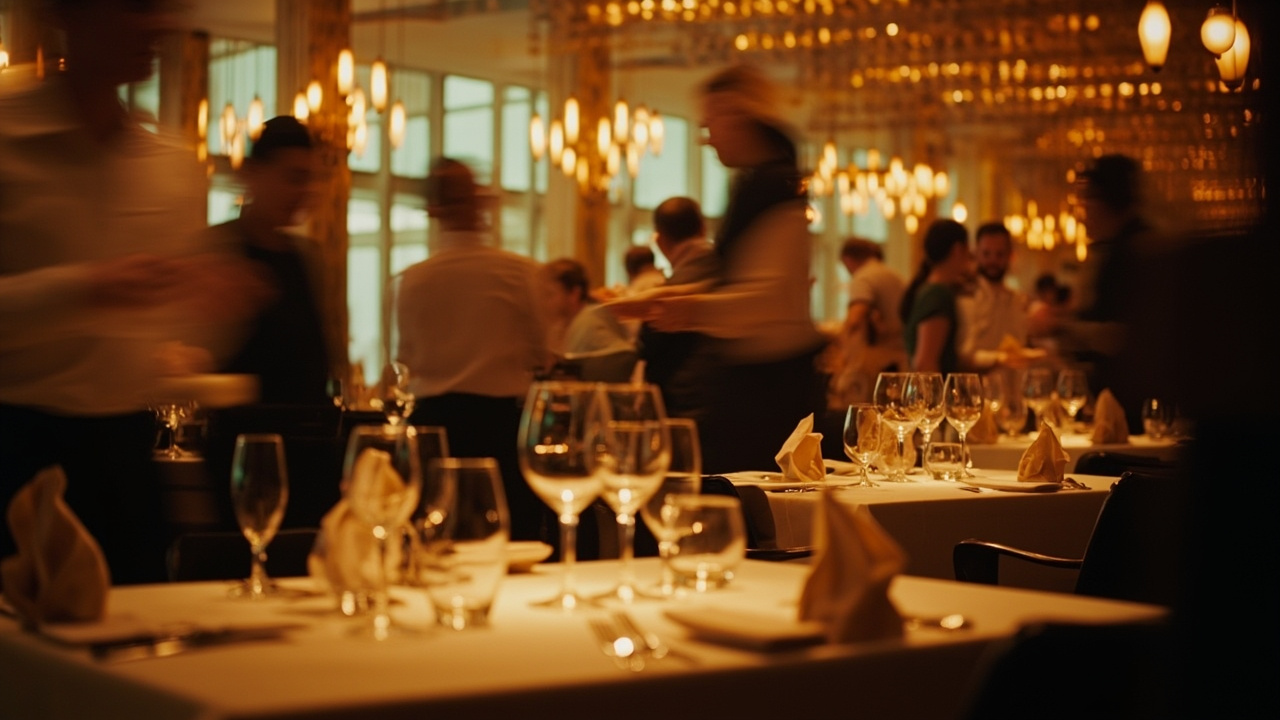
You know the feeling. It's 1 pm on a Tuesday, your place is heaving, every table full. The bar team is moving fast, kitchen in full flow. There's real energy, tills are ringing, and you're bouncing between the floor, the pass, and the bar, trying to keep everything running. Then the ice machine dies. Or a delivery doesn't show. Or your best server calls in sick with no notice. That's just how it is for most UK restaurant and bar owners right now. Getting through a normal day is one thing. Handling the constant rush plus the totally random disasters? That's a different beast entirely.
The mental load is very real. You're pulled in a dozen directions, making decisions constantly, and there’s that knot in your stomach when something breaks at the absolute worst moment. You want to deliver good service, keep your team motivated, and actually turn a profit. But life keeps throwing curveballs. So, how do you get a bit more control over the chaos?
Why does unpredictability feel like such a big challenge for UK restaurant and bar owners?
Money troubles, staff shortages, new regulations – yes, they're all genuinely difficult. But what really drains you, what leaves you perpetually overwhelmed, is the sheer unpredictability of it all. You're juggling plates and drinks one moment, then staring at a burst pipe in the cellar the next. A customer complaint spirals. A supplier shows up with half your order missing. You're supposed to be everywhere at once, solve every problem, and keep calm in front of your staff and customers. It’s exhausting.
This isn't about needing more hours in the day. It’s about the mental and physical toll of trying to control what often feels uncontrollable. You're constantly reacting instead of leading, always on edge. That makes it hard to focus on growing the business, developing your team, or remembering why you got into hospitality in the first place. Honestly, every owner I talk to battles this daily.
How can a daily huddle make your restaurant and bar operations better?
That morning briefing before service? It often feels like another chore you rush through. But it’s actually one of your most powerful tools. It sets the tone, gets your team aligned, and gives them the mental framework they need for the shift ahead.
Picture your head chef Sarah gathering the kitchen team just before lunch. She doesn't ramble. She looks them in the eye. "Right. Table 5 has a nut allergy – double-check everything. We've got a party of 12 at 1:15, so expect a push. Keep comms clear and the pass tidy. Questions?" Everyone immediately knows their priorities.
Your floor manager Mark does the same for front of house: "Today's specials are the pan-fried cod and rhubarb crumble. Table 7 has VIPs – give them proper attention. The terrace is busy, so watch the drink orders. Wine delivery at 3 pm, so let's clear the cellar beforehand."
Run a pre-shift briefing every day, 10–15 minutes max. Stand up. Make eye contact. Share the important info: unexpected bookings, customer notes, who's covering which section, potential busy periods, specific challenges. Give clear instructions. Ask for questions. This isn't a lecture – it’s everyone working together. It builds confidence and stops you having to repeat yourself constantly during service.
Who should you empower to lead during a busy shift in your venue?
The ice machine freezes on a Friday night. A server spills a tray of drinks. A customer demands to speak to you immediately. These moments can wreck an entire service, creating stress and delays everywhere. Your instinct is to jump in and fix everything yourself. But that's not sustainable. You need a team that can react, adapt, and solve problems without you hovering over them.
Think about Liam, your bar supervisor. You trust his judgement completely. When the beer line fails on a busy night, he doesn't wait for you. He switches to bottled options, gets a temporary fix in place, tells the floor manager what's happened. He's your anchor, a real lifesaver.
This isn't about dodging responsibility. It's about giving your core team the power to handle immediate problems. You step back, see the bigger picture, and put your energy where it actually matters. Plus, it shows your team you trust them, which builds loyalty and confidence.
Pick 2–3 reliable staff members – people who stay calm under pressure and show initiative. Invest in them. Give them more freedom, train them to think on their feet, and explicitly tell them they have your backing to make quick decisions in specific situations: comping a drink for a long wait, switching a faulty till, calling a supplier for an urgent repair. Let them step up when leadership is needed. This cuts down on the fires you personally have to put out.
What essential disaster plans do UK restaurant and bar owners need?
Panic spreads fast. When something unexpected happens, people flap about trying random fixes, and a small problem becomes a big disruption. A clear, simple response makes all the difference.
What happens if the card machine dies? Do your staff know to switch to manual imprints, offer a "pay later" option for regulars, or point people to an ATM? If the coffee machine breaks, is there a backup plan – filter coffee, a nearby café you know? Having a straightforward way to handle these common problems turns panic into procedure.
I remember a kitchen extractor fan failing mid-service. Instead of frantic calls, the head chef had a simple protocol: open specific doors and windows, tell front of house about potential delays, call the emergency repair number. The service was affected, yes, but it didn't collapse into chaos. That's what a plan does.
For your 3–5 most common unexpected problems (equipment failure, staff no-shows, supplier errors, power cuts, difficult customers), write simple guides. Not huge manuals – think a laminated card behind the bar with bullet points: "If X happens, do Y, then Z, then tell Manager A." This gives your team a clear path when things get bumpy. Practise these scenarios in team meetings so everyone feels confident.
How does continuous learning improve resilience in your restaurant or bar?
Building resilience isn't a one-off fix. It's continuous learning and adapting. Every busy lunch, every hiccup, every time you pull through a tricky situation – there's a lesson in it. But those lessons disappear in the whirlwind of the next shift unless you actually capture them.
After a hectic Friday or a shift where everything went wrong, resist the urge to just collapse. Instead, grab five minutes with your core team. No blame, just genuine questions: "What was the biggest bottleneck tonight?" "What could we have done differently when that late party arrived?" "What went really well that we should repeat?" This isn't about fault-finding. It's about learning and fine-tuning your response for next time.
This kind of reflection helps everyone understand service flow better and spot improvements – from how the bar stocks up during quiet periods to how restaurant staff handles table turns. It builds a culture where challenges aren't just problems, but chances to get smarter.
After a tough shift or a busy stretch, pull your core team together for a brief debrief. Keep it positive and constructive. Focus on three things: What went well? What was the biggest challenge? What one thing could we do differently next time? Write down the key takeaways. This regular review helps you spot recurring problems, refine your plans, and make small improvements that, together, build a stronger, more adaptable venue.
The Real Work
Taking control of that pressure cooker isn't about making all problems disappear – that's never going to happen in hospitality. It's about putting the right systems in place, helping your people, and building the mindset that lets you, your restaurant staff, and your bar team handle chaos with more confidence. Try these actions this week. You'll feel the difference. So will your team and your customers.
Our Research
This analysis draws on booteek's proprietary research:
- Our proprietary Life Skills & Talents competency matrix built from review of thousands of UK hospitality job postings via booteek Intelligence
- Live venue review corpus across Manchester, Porto, Bilbao, Seville, and other UK and Iberian cities (thousands of reviews analysed)
- Ongoing behavioural research via the personalised booteek AI Agent for restaurant and bar owners
External statistics are named inline. Claims derived from booteek's own measurement are clearly marked as such.