TLDR
- Unusual dietary requests and equipment failures are major opportunities to impress guests rather than instant headaches.
- Rigid staff responses and fear of straying from the script directly hurt venue profits and turn regulars into one-off visitors.
- Empowering hospitality staff with the right tools and broader perspective creates flexible, memorable customer experiences.
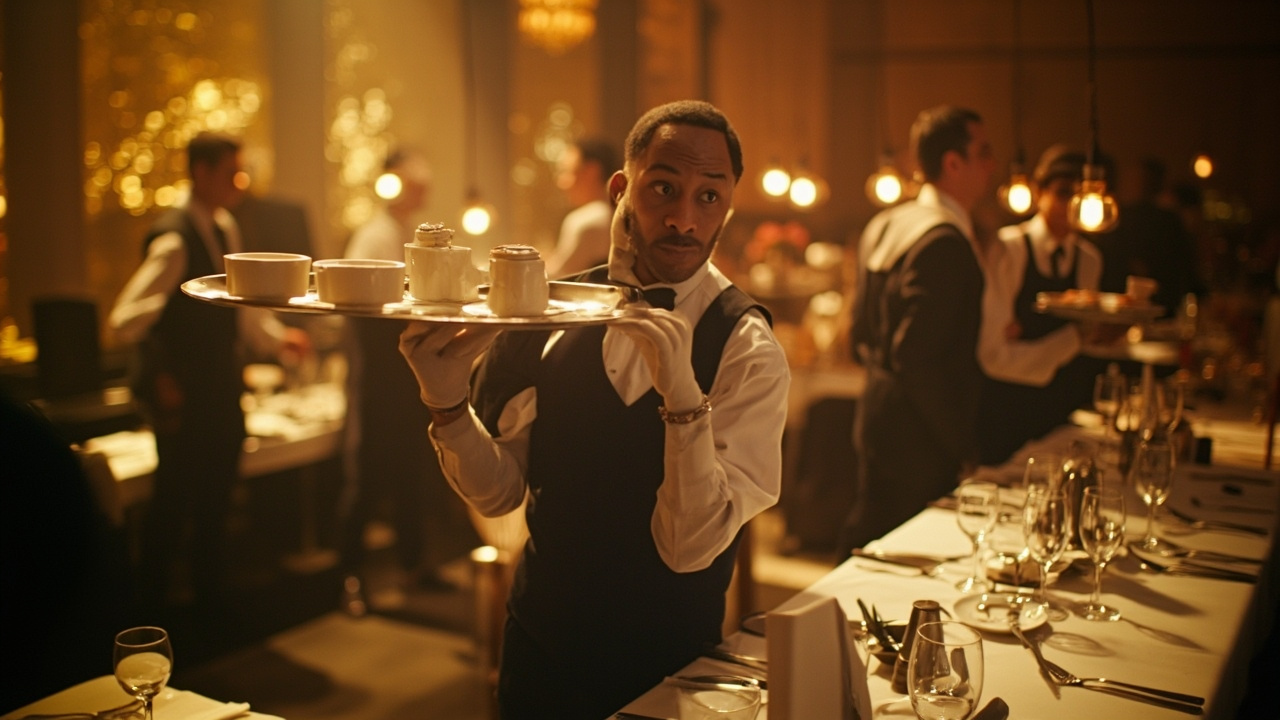
It’s a busy Friday night. Your restaurant and bar buzz with activity, tills ringing happily. Then, of course, something crops up. A large table of international guests has a truly unusual dietary request, something totally off your menu. At the same moment, the main lager tap behind the bar splutters its last, just as a big order comes in. For many restaurant AND bar owners, this scenario is an instant headache. But these aren’t just problems; they’re actually big chances. What really makes the difference isn’t the challenge itself, but how your team handles it.
Why do customer requests often get a frosty reception?
We’ve all seen it happen. A customer asks for something a bit different – a dish tweaked for an allergy, a cocktail with a twist, or a wine suggestion outside the usual list. Too often, the first reply from restaurant AND bar staff is a polite but firm ‘no, we can’t do that.’ Or, even worse, a visible sigh followed by a reluctant, half-hearted attempt. This isn’t usually because staff are bad; it’s more often a sign they lack the tools, the permission, or the broader view to think beyond the rulebook.
This rigid approach directly hurts your profits. It turns potential regulars into one-off visitors. It tells guests your place is inflexible, not really interested in their individual experience. The result? A tense atmosphere where staff are scared to stray from the script, and customers feel like an inconvenience. This stiffness often comes from a fear of losing control, and honestly, it just kills the real spirit of hospitality.
Think about those international guests asking for an unusual dish. They’re not trying to be difficult. Maybe they’re used to a different dining culture where customisation is normal, or they just have a specific need. When your team responds with a blank stare or a quick refusal, you’re not just missing a sale. You’re missing a genuine connection. You lose the chance to impress them, to make them feel understood and valued, even if local customs are different. That leaves a bad taste, and it’s a big missed opportunity.
How staff can turn problems into great service
Take Sarah, a brilliant front-of-house manager. On that busy Friday, faced with the international table’s complicated request, she stayed calm. She watched their body language, noticed their slight hesitation with English, and their struggle to explain their dietary needs. Sarah didn’t see a ‘difficult customer.’ She saw guests trying to communicate a preference common in their home country but less so here. Instead of a standard ‘that’s not on the menu,’ she focused on what they really wanted – fresh, simple, uncomplicated. She quickly found suitable kitchen ingredients to make a special, custom dish. She translated their need into a practical solution for the kitchen. This wasn't about breaking rules; it was about understanding the core request and finding a creative way to meet it with what was available.
This way of working lets your restaurant AND bar staff be problem-solvers, not just order-takers. It means giving them the authority for small, smart decisions on the spot. It means trusting them to size up a situation, understand unspoken customer needs, and adapt. When Sarah went back to the table and explained the kitchen could create a custom dish, the guests’ faces lit up. She even joked, "We aim to please, even when our menu tries to hide our versatility!" That lightened the mood, turning a potential issue into a memorable, positive interaction. They felt heard and valued, which means they’ll definitely talk positively about your venue.
This approach starts with training – not just on the menu, but on people. Train your team to ask good questions, listen for the real intention behind requests, and think creatively for solutions. For restaurant AND bar owners: give your team permission to be inventive. Give them a mental checklist of 'what if' scenarios. What if a guest needs gluten-free and dairy-free? What if they want a non-alcoholic version of a signature cocktail? What if they’re celebrating and want a small, personal touch? The answers aren’t always printed on the menu, but they’re often in your storeroom, your fridge, and importantly, within your team’s knowledge.
What does a rigid bar team really cost your venue?
Now, let’s think about the bar. The main lager tap stops flowing. In many places, this gets a groan, a hurried call to the cellar, and a short, uninspiring list of alternatives. The bar team often looks stressed and apologetic, making customers feel like they’re getting a second-rate option. This is more than just a minor hiccup; it really spoils the mood, affecting both the customer's experience and the bar team's morale.
Mark, a very capable bar manager, handles this differently. When his tap died, he didn’t fluster. He knew the delivery was delayed. Importantly, he also knew what the pub next door served and had sampled a new local pale ale that arrived that morning. He remembered a similar tap problem at 'The Griffin' last month and how their poor handling cost them customers. Mark was determined not to make that mistake. His quick thinking and knowledge of the local scene meant a solution was already forming in his mind.
The real cost of being rigid here isn't just money; it's your reputation. It’s the lost chance to impress, the missed opportunity to turn a negative into a positive. A bar team that can’t quickly change plans, one that sticks only to a strict script, will always be reacting, never leading. They’ll constantly be playing catch-up, instead of shaping the guest experience. That’s bad for everyone involved.
How restaurant and bar owners can build a truly adaptable team
Mark announced the temporary lager outage as 'an unexpected opportunity to discover your new favourite pint,' with a confident grin, offering a small taster of the new ale. He talked with the customer, making them feel part of a unique experience, rather than just delivering bad news. The new ale, it turned out, was a huge hit. What could have been a frustrating moment became an enjoyable discovery. This shows it’s about adding value, personality, and genuine service, beyond just fixing a problem.
Building a team like Mark and Sarah starts with you, the restaurant AND bar owner. It begins by creating a culture where problem-solving is praised, not criticised. It means giving your team all the information: from menu details and what competitors are doing, to new trends and the diverse customer base you serve. It involves giving them freedom, within clear boundaries, to make decisions that improve the customer experience.
Don't expect your team to be robots who just follow rules. Frankly, you’re missing out on their full potential, their creativity, and their ability to genuinely connect with customers. You’re creating a service environment that’s fragile, easily broken by the slightest deviation from the norm. This approach leads to lost revenue, negative reviews, and a high staff turnover. No restaurant AND bar owner needs that complication.
Instead, focus on helping your hospitality team become adaptive, knowledgeable, and creative problem-solvers. Give them the freedom to use their intuition, their industry awareness, and their positive outlook to turn every challenge into a chance to shine. Equip them with an understanding of why customers make certain requests and how to creatively fulfil those needs. Trust them to manage minor issues with a light touch and a quick pivot. This shift will undoubtedly lead to smoother service, but more importantly, it builds a reputation for excellence, helps you keep your best people, and makes your venue a preferred destination. Invest in your team's thinking skills, not just their ability to follow instructions. It's truly the smartest investment you'll make this year.
Our Research
This analysis comes from booteek's extensive research. We built our Life Skills & Talents competency matrix by looking at thousands of UK hospitality job postings through booteek Intelligence. We also examine a live collection of over 25,000 venue reviews from Manchester, Porto, Bilbao, Seville, and other UK/Iberian cities. Also, we do ongoing behavioural research with the personalised booteek AI Agent for restaurant AND bar owners. We cite external statistics where used; any claims from booteek’s own measurements are clearly stated.
Unlock Growth: How Funding Can Build Your Adaptive Team
Many operational snags on a busy Friday night happen because of either a staffing or a training gap – often both. A cheap initial hire usually doesn't come with the development budget needed to get them ready, leading to performance issues when you're busiest. The industry changed a lot in 2026: a great many hospitality jobs were lost after the 2024 Budget and increased employer National Insurance. In response, the Government brought in the biggest apprenticeship reform in a decade, specifically aiming to reverse this, with hospitality picked as a priority sector. As of June 2026, restaurant AND bar owners can get:
- £0 training costs — fully funded for apprentices aged 16–21 in small businesses (covering Level 2 standards for roles like bar team members or commis chefs).
- £0 employer NI — under-25 apprentices on an approved standard are fully exempt from Class 1 contributions.
- £1,000 Young Apprentice Payment — for apprentices aged 16–18, disbursed at day 90 and one year via the training provider.
- £3,000 UC Youth Jobs Grant — available from June 2026 for hiring any 18–24-year-old who has been on Universal Credit for six months or more, paid directly to your business by DWP.
Imagine a bar team trained through a structured apprenticeship – they arrive ready for the demands of a busy Friday night, and you haven't paid a penny for their training. booteek’s free Apprenticeship Funding Checker quickly tells you what your venue qualifies for.
Empower Your Team with Your booteek AI Agent & Funding Tools
Your personalised booteek AI Agent helps your team spot, develop, and use important skills like teamwork in real, shift-by-shift situations. Start a 5-minute session.
If you’ve held back from investing in young staff because you thought it was too expensive, remember that the free Apprenticeship Funding Checker immediately shows what your venue qualifies for today – including £0 training costs, £0 employer NI, and direct grants up to £3,000.