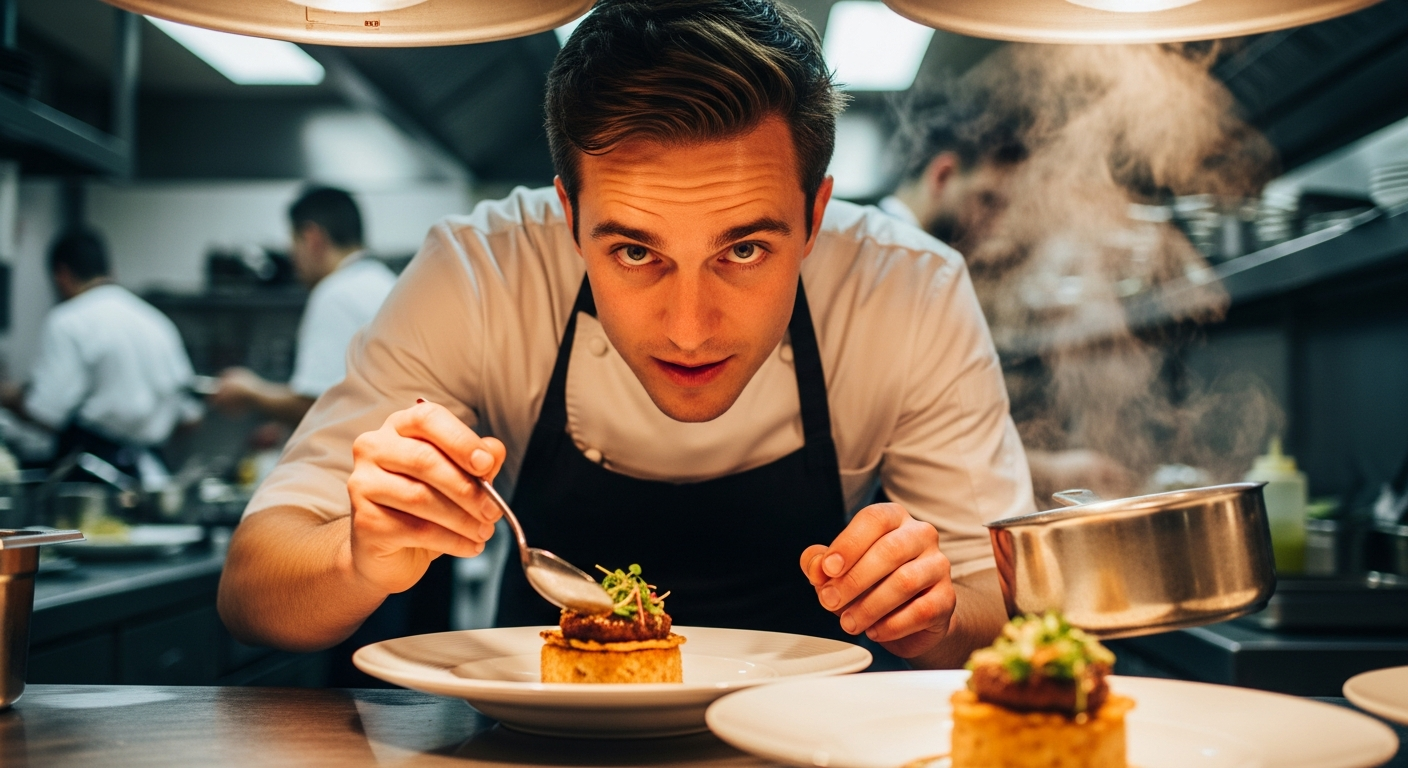
In the fast-paced, high-pressure world of UK hospitality, the search for skilled and dedicated staff is a constant challenge. Yet, booteek Intelligence analysis of nearly 600 independent UK hospitality job postings reveals a striking truth: 81.3% of chef roles explicitly require enthusiasm. This isn't merely a 'nice-to-have' trait; it's a fundamental expectation, signalling a deeper need for passion and engagement within our kitchens.
The Reality for Restaurant AND Bar Owners
For UK restaurant AND bar owners, the daily grind often involves navigating a landscape riddled with staff shortages, high turnover rates, and the insidious creep of burnout. These aren't just HR headaches; they are tangible threats to your operational efficiency, the consistency of your offering, and ultimately, your venue's profitability. A disengaged team, lacking genuine enthusiasm, can quickly erode the vibrant atmosphere you strive to create, turning what should be an exciting culinary journey into a monotonous task.
The cumulative effect of low morale and uninspired staff is profound. It manifests in longer service times, increased errors, wasted ingredients, and a noticeable dip in customer satisfaction. Guests are astute; they can sense when a team is simply going through the motions versus genuinely enjoying their craft. This lack of passion doesn't just impact the food or drink; it affects the entire dining or drinking experience, leaving a lasting impression that can deter repeat business and damage your hard-earned reputation. Addressing this isn't just about filling rotas; it's about igniting a spark that fuels your entire operation.
Actionable Takeaway: Recognise that staff disengagement isn't just an HR issue; it's a core business challenge impacting your bottom line and brand perception.
What the Data Shows
Our proprietary research at booteek Intelligence delves deep into the explicit and implicit demands of hospitality roles, revealing a fascinating picture beyond just technical proficiencies. While skills like "knife proficiency" or "mixology expertise" are crucial, the prevalence of "enthusiasm" in chef job postings – at a staggering 81.3% – underscores a profound industry-wide recognition of its importance. This isn't an isolated phenomenon; it speaks to a broader understanding that a positive attitude and genuine interest are as vital as any learned skill.
Looking closer at specific kitchen roles, booteek Intelligence data highlights how enthusiasm underpins many of the desired talents. For a line cook (n=55), top talents include being committed, responsible, and organised. While "enthusiasm" isn't listed directly, it's the invisible force driving that commitment and responsibility, ensuring consistency even during the busiest services. Similarly, head chefs (n=28) are sought for being responsible, organised, and excellent; enthusiasm fuels the pursuit of excellence and the initiative needed to lead a team.
Even roles that might seem purely functional require this spark. Kitchen porters (n=26) are valued for being responsible, reliable, and organised. An enthusiastic kitchen porter is more likely to be proactive, anticipate needs, and contribute positively to the team environment, making a significant difference to kitchen flow. Sous chefs (n=17) need to be responsible, reliable, and committed, all traits amplified by genuine enthusiasm for their leadership and culinary duties. Pastry chefs (n=10) thrive on being responsible, excellent, and focused; their creativity and precision are often a direct outflow of their passion for their craft. Even prep cooks (n=8), whose work forms the foundation of every dish, are valued for being disciplined, committed, and responsible – qualities that are sustained by an underlying enthusiasm for their foundational role.
Actionable Takeaway: Understand that enthusiasm, while not always explicitly named, is an unspoken expectation across all kitchen roles, vital for fulfilling explicit talent requirements and ensuring consistent performance.
The Enthusiasm Connection
The link between staff enthusiasm and a thriving restaurant or bar is undeniable. Enthusiasm acts as a powerful buffer against the inherent stresses of the hospitality industry, transforming challenges into opportunities for growth and innovation. When a chef is genuinely enthusiastic, they're more likely to approach a difficult service with a problem-solving mindset rather than succumbing to frustration. This positive outlook isn't contained; it radiates outwards, influencing colleagues and fostering a more cohesive and supportive team dynamic.
Moreover, enthusiasm is a wellspring of creativity. An engaged chef is more inclined to experiment with new ingredients, refine existing dishes, and contribute fresh ideas to the menu, elevating your culinary offering. This creative energy extends beyond the kitchen, impacting the entire guest experience. Enthusiastic front-of-house staff, inspired by the passion emanating from the back, are better equipped to deliver exceptional service, upsell with genuine belief, and create memorable moments for your patrons. It's a virtuous cycle: passionate staff create better experiences, leading to happier customers, which in turn reinforces staff morale.
However, the reality for many in the industry is a stark contrast to this ideal. The relentless pace and demanding nature of kitchen work can extinguish even the brightest sparks of passion, leading to deep-seated disillusionment.
"I've got to a point now where i absolutely hate what i do. i'm 29 and have been in a kitchen since 16... Kitchens are horrible environments, angry & moody people, stressful, busy. i honestly don't know what to do or what i could change to, but closing in on 30 i absolutely do not want to continue doing this."
> — Marcus, a chef in UK
Marcus's powerful words highlight the profound impact of a lack of enthusiasm. When the love for the craft dissipates, the environment becomes "horrible," leading to stress, anger, and a desperate desire for change. This isn't just an individual's struggle; it's a symptom of an environment where enthusiasm hasn't been nurtured or has been actively eroded. For restaurant AND bar owners, this sentiment is a red flag, indicating a critical need to re-evaluate how teams are supported and inspired. Cultivating enthusiasm isn't merely about improving mood; it's about building resilience, fostering innovation, and creating a workplace where staff can genuinely thrive, even under pressure.
Actionable Takeaway: Recognise enthusiasm as a critical ingredient for staff well-being, team cohesion, and ultimately, your venue's success, actively working to prevent the burnout that extinguishes passion.
Building Enthusiasm in Your Team
Building and sustaining enthusiasm within your team is an ongoing commitment, not a one-off initiative. It requires a proactive approach that integrates appreciation, growth, and empowerment into the very fabric of your venue's culture.
- Foster a Culture of Recognition and Appreciation:
- Invest in Skill Development and Growth Opportunities:
- Empower Autonomy and Encourage Input:
The Loyalty Mindset Shift
Cultivating enthusiasm isn't just about making the workday more pleasant; it's about fundamentally transforming your workplace culture into one defined by passion, which directly translates into unparalleled team loyalty. When passion becomes an intrinsic part of your venue's DNA, employees shift from viewing their role as merely a job to seeing it as a meaningful contribution to something they genuinely care about. This loyalty mindset is a powerful antidote to the transient nature of much of the hospitality workforce.
A culture steeped in passion fosters an environment where individuals feel invested, valued, and inspired. They become advocates for your brand, not just clock-watchers. This leads to significantly reduced staff turnover, saving your business substantial recruitment and training costs. Enthusiastic, loyal teams are also more resilient; they pull together during challenging times, adapt more readily to change, and consistently strive for excellence because they believe in what they are doing. This isn't just about retaining staff; it's about building a stable, high-performing core that drives consistency and innovation.
The absence of this passion, however, can lead to profound disengagement and a complete breakdown of loyalty. Consider the stark reality captured in this sentiment:
"I've done this since I was 14 so I have no transferable skills to a similar paying job. But yea I hate it, so much that I've literally corrected people when they've called me a chef."
> — A chef who asked to remain anonymous
This quote tragically illustrates the complete erosion of professional identity and pride when enthusiasm is lost. To actively distance oneself from the very title of "chef" speaks volumes about a deep-seated unhappiness and lack of fulfilment. This is the antithesis of a loyalty mindset; it's a cry for escape. For restaurant AND bar owners, understanding this spectrum – from passionate loyalty to utter disillusionment – is crucial. By actively nurturing enthusiasm and building a culture where passion is celebrated, you prevent such devastating outcomes, fostering a team that not only stays but thrives and truly cares about your venue's success.
Actionable Takeaway: Cultivate a culture where passion is celebrated and nurtured, transforming employees into loyal advocates for your venue and preventing the erosion of professional pride.
What This Means for Your Venue
For restaurant AND bar owners, embracing the "enthusiasm factor" is not just a soft HR initiative; it's a strategic imperative for sustainable growth and success. By actively cultivating passion within your team, you're investing directly in improved staff retention, significantly reducing the costly cycle of recruitment and training. This stability leads to higher service quality, as experienced and engaged staff deliver more consistent and exceptional guest experiences, translating directly into better customer reviews and stronger word-of-mouth marketing for your brand.
A genuinely enthusiastic team is your most potent marketing tool. Their positive energy is infectious, elevating the atmosphere of your restaurant or bar and making it a place where both staff and customers want to be. This positive reputation, built on consistent excellence and genuine hospitality, attracts not only more customers but also higher-calibre talent, creating a virtuous cycle of success. Ultimately, this focus on enthusiasm contributes directly to increased profitability, as satisfied customers become loyal patrons and your operational efficiency improves due to a motivated workforce.
Start by implementing one of the actionable tips today – perhaps a simple recognition programme or a short, focused training session. Observe the immediate impact on morale and team dynamics. This isn't about grand gestures but consistent, genuine effort. Prioritising enthusiasm means seeing your staff not just as employees, but as vital partners in your venue's journey, whose passion is the engine of your collective success.
Actionable Takeaway: Prioritise enthusiasm as a strategic asset to drive long-term success, cultivate a thriving, resilient hospitality business, and create a venue where everyone – staff and guests – feels valued and inspired.
booteek helps restaurant AND bar owners track team development automatically. Our AI Business Brain transforms how you understand and grow your team.