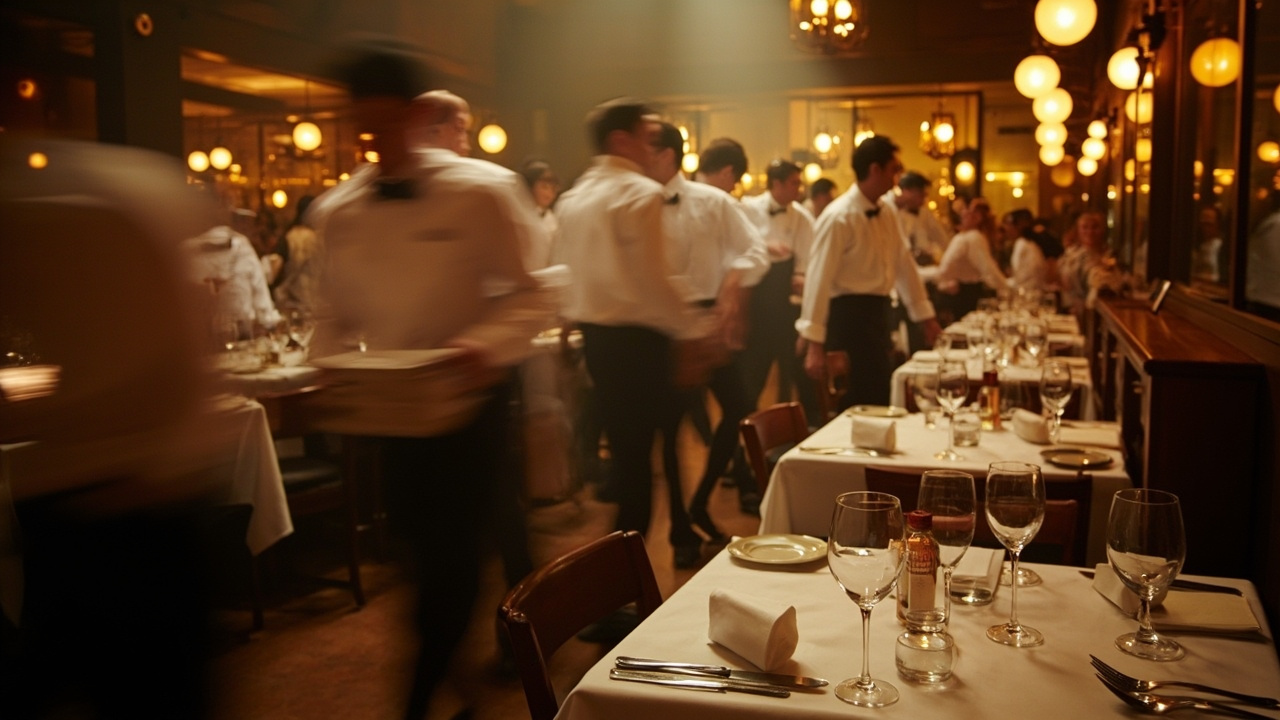
As a UK restaurant or bar owner, you've seen it happen. That Friday night crush where everything somehow works. The delivery disaster that gets solved before guests even notice. The customer with an impossible request who leaves happy anyway. You've probably watched a team member handle something completely off-script with an ease that looks almost effortless. I've seen this countless times, and it deserves proper attention.
We're talking about staff who solve unexpected problems using judgment rather than procedure. The real work for owners is spotting these moments, learning from them, and building a culture where that kind of thinking comes first—especially when things fall apart.
There's something I've noticed in the best restaurant and bar teams: a quiet ability to handle chaos without breaking a sweat. I call it The Unscripted Solution. It's when someone steps outside the usual playbook and creates the right response to a situation no training could fully prepare them for. Not rule-breaking. Just understanding hospitality so deeply that they can adapt on the spot.
What does it look like in practice?
When your team faces something genuinely new, something unexpected, what happens? I've watched it play out several ways:
The Tuesday Night Downpour
A Manchester pub on a wet Tuesday. The forecast said light showers. By 7 PM it was bucketing down, and suddenly the place was rammed—people escaping the rain, all wanting food and drink immediately. The bar staff looked rattled. Then Liam, a quiet lad who'd been there years, just started moving. Clearing tables. Taking orders. Even helping a couple of confused tourists find a taxi app. He spotted a customer getting frustrated about the wait and instead of rushing them, sat down. Offered crisps. Actually listened. The customer visibly relaxed. Liam wasn't told to do any of this. He saw what was needed—shelter, comfort, being heard—and moved without thinking. He kept the energy flowing, made sure nobody felt forgotten despite the sudden surge. It worked.
The Off-Menu Request
A London bistro. A guest asked for something very specific from their home country. Not on the menu. The new server was ready with a polite no. Sarah, who'd been there since opening, overheard and paused. She understood this wasn't just hunger—it was homesickness, a need for connection. She didn't promise anything, just went to the kitchen and talked to the chef. They brainstormed. Half an hour later, a recognisable simplified version arrived. The guest was genuinely moved. Sarah had no protocol for "make obscure foreign dish." She had understanding of people and willingness to find a way. That's real hospitality.
Reading the Room
An Edinburgh bar, quiet evening. A group of international visitors looked lost at the ordering process—used to table service, hesitant, apologetic. Mark, a bartender who'd seen everything, noticed their confusion. He walked over, smiled, and with a simple "Can I help you people with anything? Just let me know what you're after and I'll bring it over," he guided them smoothly. Didn't make a fuss. Just made their experience seamless and comfortable. Small gesture. Huge difference.
When the Espresso Machine Dies
Peak Sunday brunch at a Brighton spot. The main machine packed up. Queue building. Panic territory. Chloe didn't hesitate. Assessed quickly. Filter coffee was working. Herbal teas and fresh juices available. Started talking to the queue: "Sorry everyone, our espresso machine's having a moment, but we've got fantastic filter coffee or I can make you a fresh juice on the house while you wait." She took ownership, offered real alternatives, turned disaster into goodwill. She saved the service by thinking sideways and communicating honestly.
Why this matters for your business
The Unscripted Solution isn't about training. It's about awareness. These people—whether restaurant or bar staff—aren't following instructions. They're reading the room, reading the guest, reading between the lines. They sense what needs to happen to keep things flowing, to make someone feel valued, to solve a problem quietly. They understand hospitality as human connection, not just transaction. They see the bigger picture: guest experience, venue reputation, the whole thing. Their actions come from experience, observation, and genuine care to make things right. Frankly, that's what separates genuinely good places from the rest.
How to build this in your team
You can nurture this instinct. It takes a few things:
Notice Who Steps Up
Pay attention to who improvises when things get messy. Who smooths over problems before they blow up? Who thinks on their feet? These are your natural problem-solvers. Recognise them. A simple "Thanks for handling that, it really helped" matters. Make it clear you see their competence. This isn't about favourites—it's about genuine recognition.
Give People Room to Act
Training matters, of course. But sometimes the best answer comes from letting people use judgment. Give reliable staff the space to make decisions in grey areas where the manual doesn't cover everything. Not chaos—just a culture where staff feel trusted to act in the guest's interest and the venue's interest. When they know they won't be punished for a creative solution that works, they'll try it.
Learn From What Works
How do these people know what to do? Observation. They watch guests, colleagues, the rhythm of the place. Encourage all your staff to learn from these moments. In team meetings, ask "What was tricky this week and how did you handle it?" Let people share their unscripted solutions. It normalises creative problem-solving and helps others build their own instincts. It's a living training manual.
Value Adaptability Over Rules
Your venue lives in constant change. Guests are unpredictable. Things break. A culture that prizes adaptability beats one that demands rigid compliance every time. Frame problems as chances for clever solutions. When something goes wrong, skip "Who messed up?" and ask "How do we fix this now and what do we learn?" This shifts focus from blame to action, which is the heart of the Unscripted Solution. Your staff feel safer experimenting with solutions that aren't written down. Everyone gets braver, more engaged.
Our Research
This draws on booteek's own work:
- Our proprietary Life Skills & Talents competency matrix from thousands of UK hospitality job postings via booteek Intelligence
- Live venue reviews across Manchester, Porto, Bilbao, Seville and other UK and Iberian cities (25,000+ analysed)
- Ongoing research via booteek Breo, our AI tool for restaurant and bar owners
External statistics are named. Claims from booteek's own data are flagged as such.
Try Breo with your team
booteek's AI companion Breo helps teams identify, build, and use skills like team excellence in real shift-by-shift work. Start a 5-minute Breo session →