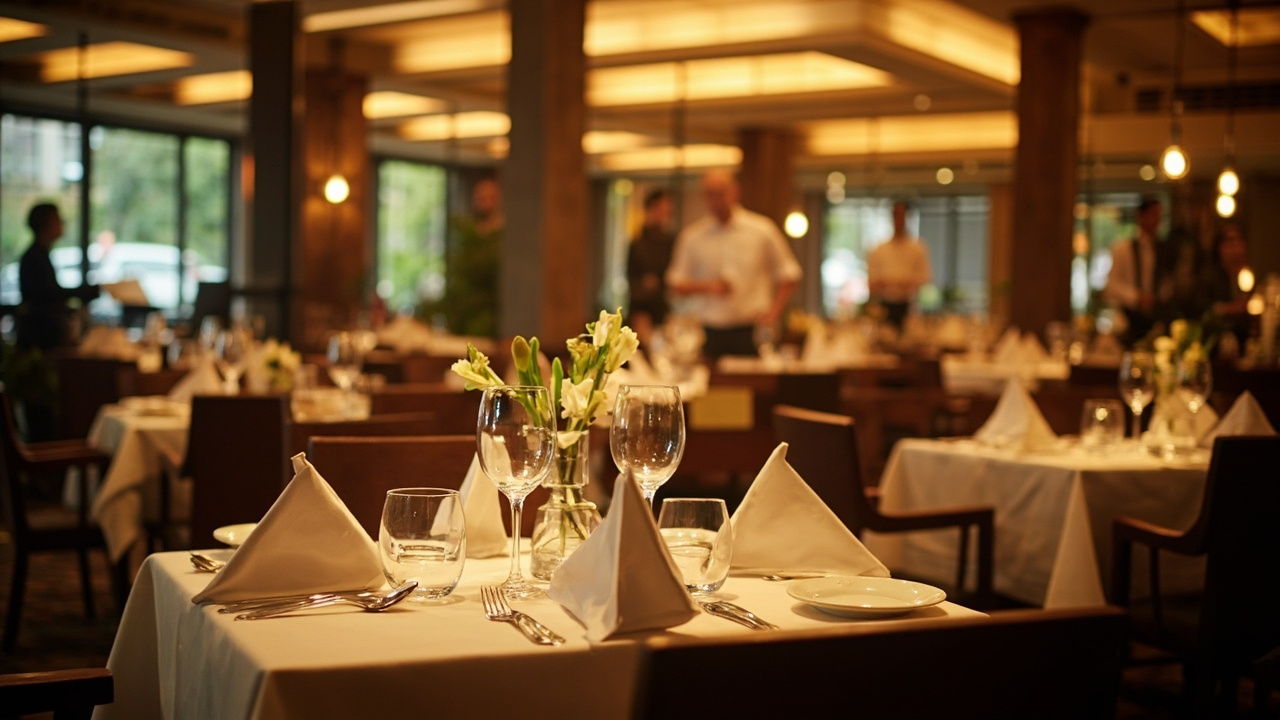
Every restaurant and bar owner in the UK knows that gut-wrenching feeling: that sudden, stomach-dropping moment when something completely unexpected hits. Maybe a Friday night rush explodes into a full-blown stampede, a important piece of kitchen equipment packs up, or a surprise celebrity walks in demanding a table you simply don't have. These aren't just minor annoyances; they're moments that truly define your venue, your team, and, let's be honest, your bottom line. But what if these chaotic moments could actually be transformed? What if they became real opportunities to shine, to build fierce loyalty, and even to boost your revenue? I genuinely believe they can. This guide will show you how to create a space where your restaurant and bar teams don't just react to the unexpected, but truly master it, turning potential disasters into genuine triumphs.
TLDR: Your Quick Fixes for Service Surprises
- Help Your People: Give your restaurant and bar teams the freedom to make quick, smart decisions on the spot. Back them with clear boundaries and, crucially, trust.
- Train for the Unknown: Go beyond the usual operating procedures. Run 'what if' drills and scenario planning to give your team the mental toolkit they need for any service curveball.
- Cultivate Proactive Problem-Solvers: Encourage every member of your hospitality team to look past the immediate issue. They should be identifying opportunities to improve the guest experience and bring in extra cash.
What do I mean by 'mastering service flow' in a busy restaurant and bar?
Mastering service flow in a bustling venue is really the art of graceful adaptation. It's about your whole team – from the kitchen porter to the head bartender, the newest server to the most seasoned chef – being able to handle the wild, unpredictable currents of a busy service period without missing a beat. It means keeping, and often actually improving, the guest experience even when your carefully planned rhythm goes completely awry. Think of it like a highly skilled dance: everyone knows their steps, yes, but they're also perfectly in tune with their partners, ready to improvise a new move if someone stumbles, all while keeping the audience captivated.
This isn't about sticking rigidly to a script. It's about understanding your venue's core mission and having the flexibility to achieve it, even if that means going about things unconventionally when necessary. It's the quiet confidence of your bar team when a sudden flood of walk-ins swamps the pass, or the composed response of your restaurant staff when a major reservation is unexpectedly halved. It’s a mindset where every challenge isn't a roadblock, but a puzzle to solve, a chance to show off your agility and commitment to excellence. For me, this is the ultimate measure of a truly professional hospitality operation.
Why should my venue's team become experts at handling service surprises?
The reasons are pretty straightforward, and honestly, they have a huge impact for any restaurant and bar owner. First, and probably most obvious, it protects your reputation. In today's hyper-connected world, one badly handled incident can spread like wildfire online, undoing years of hard graft. On the flip side, a brilliantly handled crisis can generate glowing reviews and invaluable word-of-mouth promotion. I've seen customers become lifelong advocates for a venue not because everything went perfectly, but because when things did go wrong, the team responded with such grace and genuine care that it left a lasting, positive impression.
Secondly, it directly impacts your revenue. A team that can master service flow doesn't just stop you from losing money; it actually creates new income streams. If a kitchen delay means food orders are slow, a sharp bar team can proactively suggest premium cocktails or offer a taste of a new wine. If a particular dish isn't available, a knowledgeable server can confidently recommend a higher-margin alternative that genuinely excites the guest. These aren't just quick fixes; they're strategic revenue plays that come from an helped, adaptable mindset. It’s about spotting these moments and acting on them, rather than just waiting for instructions.
Thirdly, and just as important, it significantly boosts team morale and retention. When your restaurant and bar teams feel equipped, trusted, and truly capable of handling anything, they're more engaged, more confident, and simply more satisfied in their roles. They feel a real sense of ownership and pride in their work. This cuts down on staff turnover, which, as you know, is a constant and costly headache in hospitality. A strong, cohesive team that actually thrives under pressure is an invaluable asset, and it's a team that wants to stay and grow with your venue.
Finally, it builds customer loyalty. In an industry absolutely saturated with choices, consistency is key, but adaptability is what really wins hearts. When guests have a seamless, positive service, even amidst unexpected events, they feel valued and understood. They know they can rely on your venue, not just for good food and drink, but for an exceptional overall experience. That trust is priceless, and it's what keeps them coming back through your doors time and again.
How can I help my restaurant and bar teams to respond brilliantly?
Helping your team to master service flow isn't a single action; it's a multi-faceted approach built on training, trust, and a culture of proactive problem-solving. Here's how I think you can really make it happen:
1. Pre-empt the Predictable and Prepare for the Unforeseen
Your training needs to go way beyond the basics of taking orders and pouring drinks. I tell owners to run 'what if' scenarios regularly. What if a power cut hits during peak service? What if a large, unexpected party shows up? What if a key supplier doesn't deliver? Discuss these with your restaurant and bar teams. Brainstorm solutions together. This isn't just theory; it's practical preparation. For example, if a key kitchen appliance fails, does your chef know the alternative dishes that can be prepared with available equipment? Does your front-of-house manager have a pre-approved list of complimentary items they can offer to smooth over delays? Knowing these things before they happen saves precious minutes and prevents outright panic. It's about building a mental toolkit for your team.
Make sure communication channels are crystal clear. When the kitchen hits a snag, how do they immediately alert the front-of-house? Is there a designated person for relaying updates? Clear, concise, and rapid communication is the bedrock of agile service. I always recommend a brief, focused pre-service briefing that anticipates potential challenges for that specific shift – maybe a huge booking with complex dietary needs or a forecasted super busy period.
2. Grant Authority and Cultivate Initiative
This is where many owners hesitate, but it's absolutely essential. You simply must give your restaurant and bar teams the authority to make decisions in the moment, within defined parameters. This doesn't mean a free-for-all; it means trusting them to use their judgment. For instance, help your servers to offer a complimentary drink or dessert if a food order is significantly delayed, without needing to ask for manager approval every single time. Let your bartenders comp a round of soft drinks for a table that's been waiting too long for their food. This immediate response makes a huge difference to a customer's experience. They feel seen, heard, and valued, and your staff feel respected and capable. I've personally seen a dedicated server, noticing a customer looking restless after a long wait, approach with a knowing smile and an offer of a drink on the house, completely defusing the situation before it even became a complaint. That kind of initiative is pure gold.
Beyond just problem-solving, encourage initiative in spotting opportunities. If the kitchen is unexpectedly slow, does your bar team feel confident approaching tables and suggesting a new cocktail or a premium bar snack? If a guest expresses disappointment about a menu item, does your server feel helped to suggest a higher-value alternative that might genuinely delight them? This is about building a proactive mindset, not just a reactive one. It's about seeing beyond the immediate task to the bigger picture of guest satisfaction and revenue generation.
3. Build a Unified Front Through Shared Understanding
Your venue is a single organism, and every part needs to understand the function and pressures of the others. Cross-training is incredibly powerful here. Have your restaurant staff spend some time behind the bar, learning about cocktails and wine pairings. Let your bar team spend an hour in the kitchen, understanding the rhythm and challenges of service. This builds empathy and a collective understanding of how each role impacts the whole. When the bar is slammed, a server who has experienced that pressure is far more likely to help out or manage guest expectations effectively.
Regular debriefs after particularly challenging services are also vital. Don't just move on. Gather your team and discuss what happened. What went well? What could have been handled differently? What did we learn? This analytical approach helps to refine processes, identify recurring issues, and reinforce effective strategies. It's a shared learning experience that strengthens the entire team, making them more resilient and cohesive. I find these sessions invaluable for uncovering systemic issues and for celebrating individual brilliance in tough moments.
4. Cultivate the Art of Observational Intelligence
Encourage your restaurant and bar teams to be truly present and observant. It's about reading the room, not just serving it. This means noticing a table whose drinks are nearly empty and approaching before they even have to signal. It means spotting a guest looking confused at the menu and offering assistance. It's about understanding the subtle cues that indicate a potential problem or, conversely, a potential opportunity. For example, a sharp bartender, noticing a group of diners waiting for their table, might proactively suggest a round of pre-dinner drinks and perhaps a small, quick bar snack, turning wait time into an additional revenue stream and a positive start to their evening. This kind of thoughtful, forward-thinking service is what improves a good venue to a great one.
What common pitfalls should restaurant and bar owners avoid?
Even with the best intentions, owners can accidentally hinder their team's ability to master service flow. Here are the common mistakes I see time and again:
- Micromanagement: If your staff needs permission for every single decision, they'll become hesitant and slow to react. This stifles initiative and creates bottlenecks. You hired capable people; trust them to do their job.
- Insufficient Training: Expecting your team to handle complex situations without proper preparation is unfair and, frankly, unrealistic. If they haven't been trained for 'what if' scenarios, panic will often be the default response.
- Poor Communication Systems: Vague instructions, a lack of clear channels between kitchen, bar, and front-of-house, or delayed information sharing will inevitably lead to chaos when things go wrong. Everyone needs to be on the same page, quickly.
- Building a Blame Culture: When mistakes happen (and they will), if the immediate reaction is to find fault and punish, staff will hide issues rather than bringing them forward for collective resolution. This is catastrophic for learning and improvement.
- Ignoring Feedback: Both from customers and your own staff. If you don't listen to what guests are saying or what your team experiences on the floor, you're missing vital information that could prevent future problems or reveal hidden opportunities.
- Lack of Resources: Expecting staff to fix problems without giving them the tools, knowledge, or backup they need. This could be anything from not having a contingency stock for popular items to not having a manager available to support difficult customer interactions.
How do I take my venue's service agility to the next level?
Once you've got the fundamentals sorted, it's time to really refine and improve your approach. This is where your venue truly differentiates itself and becomes a leader in hospitality.
1. Set up Predictive Analytics (Even Simple Ones)
Look at your past data. When are your busiest times? Which days see the most walk-ins? What are the most common complaints or challenges you've faced? Use this information to anticipate future needs. If Thursdays are consistently busy with last-minute large bookings, adjust your staffing or table allocation strategy accordingly. If a particular menu item often causes delays, consider prepping more or having a quick alternative ready. This analytical approach helps you move from reactive to proactive, softening the blow of unexpected events before they even occur. It’s about understanding patterns and making informed decisions.
2. Develop Strategic Upselling and Cross-Selling Protocols
Beyond simply reacting to problems, integrate proactive revenue generation into your service flow. This isn't about being pushy; it's about intelligent suggestions that genuinely enhance the guest experience. Train your restaurant staff to confidently recommend specific wine pairings with mains, or your bar team to suggest a premium spirit upgrade when a customer orders a standard mixer. If a dish is temporarily unavailable, help your team to suggest a higher-margin alternative with genuine enthusiasm. This becomes an ingrained part of the service, not just a last-ditch effort. It’s about seeing every interaction as a chance to add value for both the guest and the venue.
3. Incentivise and Celebrate Problem-Solving
Publicly recognise and reward team members who handle difficult situations with exceptional skill, creativity, or who spot and act on revenue opportunities. This could be a 'Hero of the Week' award, a bonus for a particularly impressive save, or simply acknowledging their efforts during a staff meeting. When staff see their initiative valued and rewarded, it reinforces the desired behaviours and encourages others to follow suit. This creates a positive feedback loop and strengthens the culture of self-leadership and proactive engagement within your restaurant and bar.
4. Continuous Feedback Loops and Iteration
Your approach to service agility should never be static. Regularly ask for feedback from your guests through comment cards, online reviews, and direct conversations. More importantly, create structured opportunities for your restaurant and bar teams to provide feedback on what works and what doesn't. They are on the front lines and have invaluable insights. Use this feedback to continuously refine your training, adjust your protocols, and improve your resource allocation. Every challenge, every success, every piece of feedback is an opportunity to learn and evolve. I personally run quarterly 'innovation sessions' where staff are encouraged to bring ideas for improving service flow and handling unexpected moments. The best ideas often come from those closest to the action.
