"He Can't Chop Onions To Save His Life": A Friday Night Breakdown
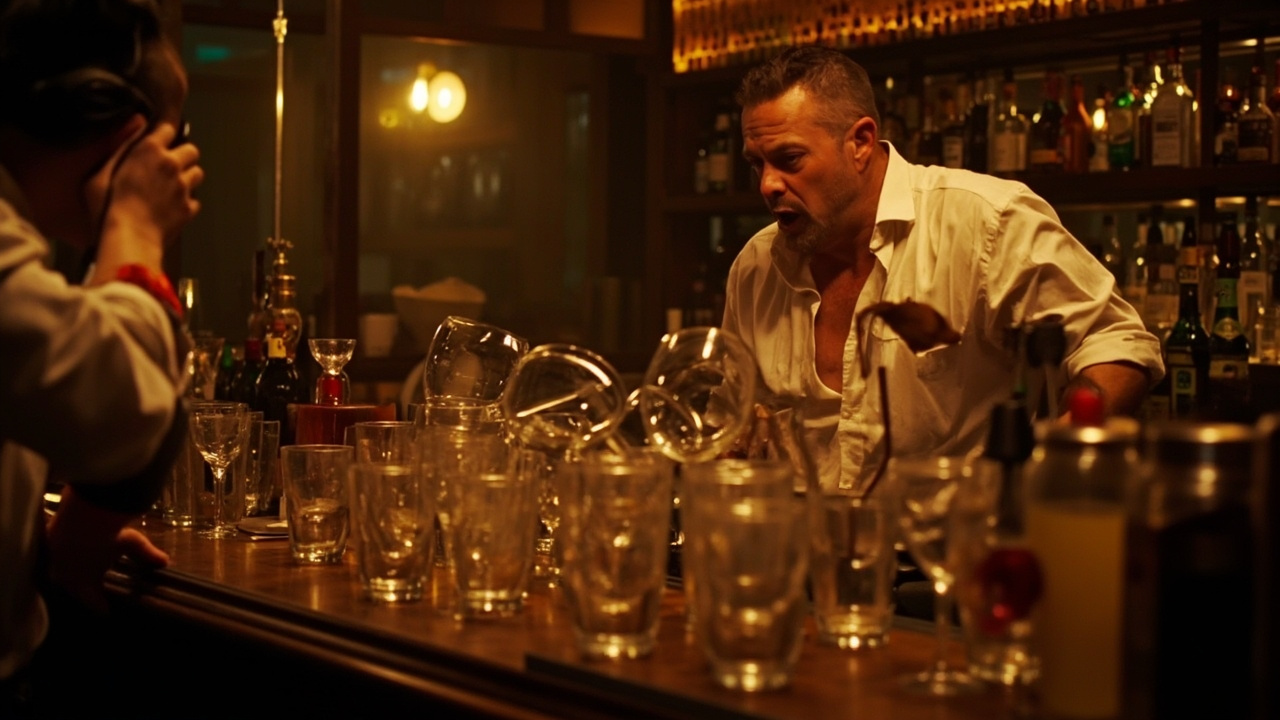
It was 7:15 on a Friday, and the air in The Old Bell was thick. Not nice-thick, like gravy, but that other kind – a faint whiff of burnt garlic mixed with the metallic tang of suppressed panic. Every restaurant and bar owner knows the taste. Tables filled up faster than we could clear them, the bar was three-deep with punters gagging for a pint, and the kitchen… well, the kitchen was a glorious mess of clattering pans and muttered curses.
I was trying to keep the front-of-house afloat, which meant dealing with the usual Friday night moans: draughty windows, the cheek of charging extra for gravy. Standard stuff. Then Liam, our head chef, stormed out of the kitchen, face the colour of a beetroot that had just lost a fight with a mandoline.
“He’s useless! I can’t work with him!” he yelled, gesturing at the swinging kitchen doors. “He can’t chop onions to save his life!”
"He" was Tom, our new kitchen porter, hired a fortnight ago. Tom was eager, bless him, but his knife skills were… developing. I’d seen worse. Much worse. But Liam, perfectionist to a fault, had clearly had enough.
Liam was usually cool. Intense, maybe, but seriously talented. He’d transformed The Old Bell’s menu from basic pub grub to something special, using local ingredients and breathing life into old favourites. He was the reason for the queues. But he also had a temper, and when it went off, it could curdle milk.
I took a deep breath, slapped on my best reassuring smile, and steered him towards the back office. “Alright, Liam, just a minute. What’s happened?”
He launched into a rant about unevenly diced onions, wasted vegetables, and the general uselessness of the younger generation. I let him vent, nodding sympathetically, while trying to work out how close we were to a full-blown kitchen implosion. We were already short-staffed thanks to Sarah’s mysterious “allergies” (it was Friday, so I suspected something stronger than pollen), and losing Liam would be a disaster.
Then I heard it: the unmistakable sound of plates smashing. Oh, joy.
The Onion Debacle
Getting the full story was like pulling teeth. Eventually, it came out. Tom, keen to help, had decided to pre-chop all the onions for the evening. He’d produced a mountain of misshapen pieces that Liam deemed unusable. Liam, already stressed, had lost it. He yelled at Tom, Tom mumbled something back, and then… the plates.
Liam’s standards were sky-high. He'd trained in fancy restaurants and brought that precision to our little pub. That’s why his food was so good. But it also meant he had zero tolerance for mistakes, especially when things got busy.
Tom, on the other hand, was just starting out. Young, inexperienced, and probably terrified of letting Liam down. He wanted to impress, but lacked the skills and confidence.
The real problem wasn’t the onions; it was the lack of communication. Liam hadn’t bothered to train Tom properly, to show him the right way, to explain why perfectly diced onions mattered. He just expected him to know. And Tom, scared of looking stupid, hadn’t asked.
Just then, Brenda, owner of The Old Bell and a woman who could defuse a bomb with a well-placed joke, wandered in with her tea. She'd seen it all before.
"Alright, lovebirds, what's all the commotion? Sounds like a badger's got trapped in the potato peeler." She said, with a twinkle in her eye.
Brenda was the glue that held us together. She’d been running The Old Bell for 30 years and had a knack for making even the most stressful situations feel manageable. She was also a stickler for tradition. Her Sunday roasts were legendary, made using recipes passed down through generations. She still used a specific Yorkshire pudding tin inherited from her grandmother. She was old-school hospitality through and through. She knew that good food and a warm welcome were key, and she instilled that in everyone.
Brenda looked at me, looked at Liam, and with a raised eyebrow, said. "Onions, eh? I've seen worse. Now, Liam, why don't you show our Tom how to chop an onion properly, like my Nana taught me? It's an art, not a chore."
And that was the turning point.
The Messy Truth
Here's the bit nobody likes to admit: as restaurant and bar owners, we often expect our staff to just know things. We hire them, give them a quick rundown, and throw them in at the deep end. We assume they’ll learn as they go, pick things up, and become competent.
But that's not always how it works. Especially with younger staff, or those new to the game. They need proper training, clear instructions, and constructive feedback. They need to feel supported, not criticised.
And let's be honest, sometimes we're too busy to provide that. We're juggling a million things, from ordering supplies to dealing with awkward customers to managing the books. We forget that investing in our staff is the best thing we can do.
There's also ego. Liam, for example, was so focused on his standards that he forgot that not everyone shared his expertise. He saw Tom’s mistakes as a personal insult, not a chance to teach him.
It's a common trap. We get so attached to our way of doing things that we resist change or new ideas. We forget there are other ways to do things, and sometimes, they might be better.
And then there's the fact that hospitality is hard. Long hours, low pay, constant pressure. Demanding customers, grumpy colleagues, broken equipment. No wonder tempers fray.
But that doesn't excuse treating people badly. We need to build a culture of respect in our places, where staff feel comfortable asking for help, admitting mistakes, and supporting each other.
Easier said than done, I know. Especially on a busy Friday night.
Lessons Learned
Looking back, I'd do a few things differently. First, I'd have dealt with the tension between Liam and Tom sooner. I shouldn’t have waited for Liam to explode. I should have seen it building and stepped in.
Second, I'd have made sure Tom got proper training from the start. Not just showing him how to chop onions, but explaining why it’s important to chop them evenly. Clear instructions, demonstrations, and ongoing feedback.
Third, I'd have encouraged Liam to be more patient. Remind him that everyone makes mistakes, especially when they're new. Encourage him to see Tom's mistakes as a chance to teach, not a reason to get angry.
Finally, I'd have created a more supportive environment in the kitchen. Encourage teamwork, foster open communication, and celebrate wins together. Build a culture where staff feel comfortable asking for help, admitting mistakes, and supporting each other.
One practical thing I've started doing is a quick 15-minute check-in with each team member at the start of their shift. Not formal, just a quick chat to see how they're feeling, if they have questions, or if they need help. It's amazing how much this small thing can prevent problems.
I've also learned the power of delegation. Liam was trying to do too much himself. He needed to trust his team more and delegate tasks. That would have freed him up for menu planning and quality control and given Tom and the others a chance to grow.
And finally, I've realised the importance of leading by example. If I want my staff to be patient, understanding, and supportive, I need to be that myself. I need to create a positive work environment, where everyone feels valued.
For Your Place
Managing staff in a restaurant or bar is like herding cats. There's always drama, conflict, and the occasional plate-smashing. But by building a culture of communication, training, and support, you can minimise the chaos and maximise your team's potential.
Think about your own place. Are you giving your staff the training they need? Are you fostering open communication and teamwork? Are you leading by example and creating a positive environment?
If the answer to any of those is no, then it's time for a change. Start small. Try those 15-minute check-ins, or start a weekly team meeting where staff can share ideas and celebrate wins.
And remember, it's okay to ask for help. There are plenty of resources for restaurant and bar owners, from online courses to industry groups to consultants. Don't be afraid to reach out.
Because your staff are your most valuable asset. Invest in them, and they'll invest in you. And that's a recipe for success that's worth more than all the perfectly diced onions in the world.
Oh, and Brenda's Nana's onion chopping technique? Turns out, it's pretty good. Even Liam had to admit it.
booteek helps restaurant and bar owners build stronger teams. Start at booteek.ai