The Night the Specials Board Saved Our Bacon
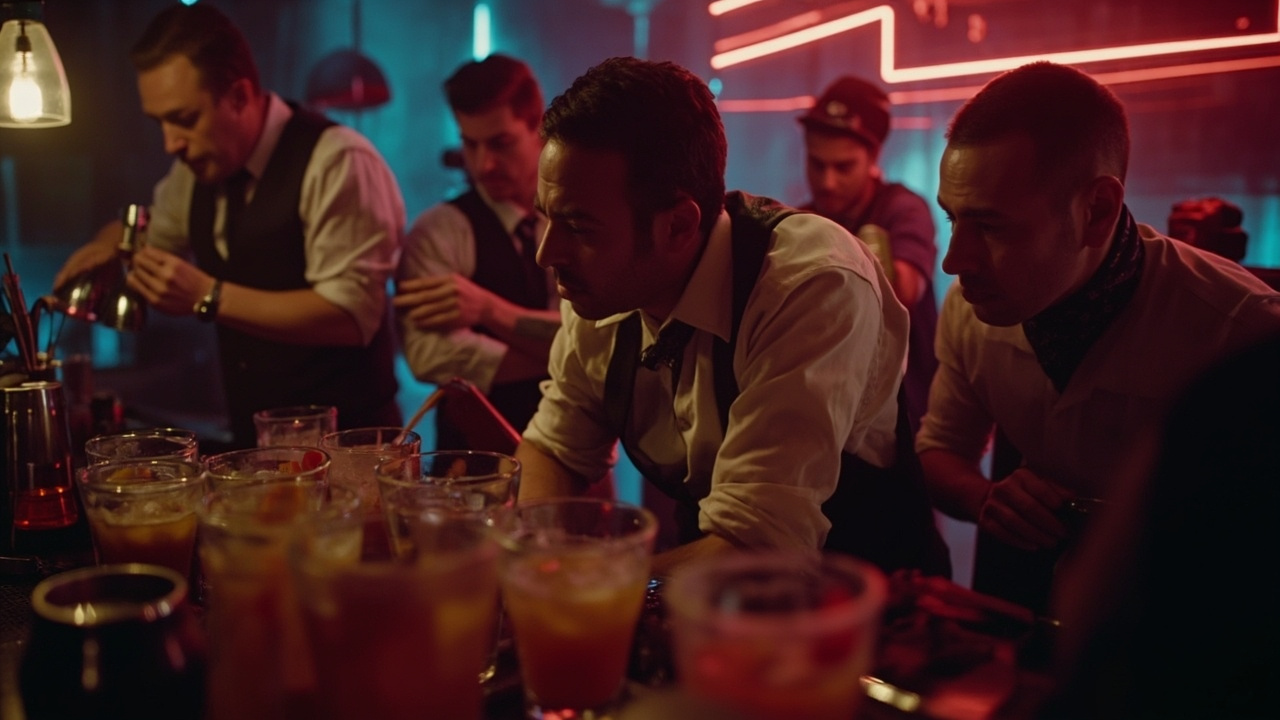
It was a Friday. 7:15pm, the witching hour. The kind of Friday where every table was rammed, the phone had been glued to my ear since 3pm, and the air tasted like pure, unfiltered stress. I was behind the bar at The Rusty Mug, giving the counter its tenth wipe-down in as many minutes, trying my best not to look like I was about to spontaneously combust.
The till was singing its constant little song, orders were piling up, and I caught sight of Chef Mark in the kitchen, his face the colour of old copper. We were already playing catch-up when the bomb dropped.
Liam, our unflappable head waiter, practically sprinted behind the bar, his usual cool replaced with actual panic. "Sarah's phoned in sick," he gasped, "and Ben's car's given up the ghost. He's marooned on the M25. We're two servers down!"
My stomach plummeted. Two servers AWOL on a Friday night at The Rusty Mug wasn't just a minor hiccup; it was a full-blown, five-alarm emergency. We were already stretched tighter than a drum. Without Sarah and Ben, we were staring down the barrel of a total meltdown. I risked another peek at Mark. He met my gaze and just shook his head. He knew. We all knew. This was going to hurt.
The next hour? A complete blur. I was serving drinks, Liam was darting around like a caffeinated hummingbird, and even Mark was poking his head out of the kitchen now and then to deliver food. The noise was deafening, the air thick with the smell of frying onions and impending doom. Customers were getting antsy, the complaints started trickling in, and I could feel the whole operation wobbling on the brink.
Then, something weird happened.
What Actually Happened
Around 8:30pm, when I genuinely thought things couldn't possibly get any worse, a tiny, unexpected miracle occurred. No new server magically appeared, and the crowds didn't vanish. Instead, a simple tool saved us: the specials board.
Earlier that day, Mark, bless his pragmatic heart, had decided to keep the specials simple. He’d clearly sensed a busy night brewing and went for dishes that were quick to knock out. Instead of fancy creations, we had a hearty shepherd's pie, a pan-fried sea bass with some seasonal veg, and a creamy mushroom pasta. Proper comfort food.
We had no clue these simple dishes were about to be our knights in shining armour.
As the evening dragged on and the waiting times ballooned, Liam started pushing the specials like his life depended on it. He explained to customers that they were quick to prepare and ready to go. And, to our surprise, people listened! They were hungry, they were impatient, and they were willing to compromise.
Suddenly, the kitchen was pumping out shepherd’s pies and pasta dishes like a well-oiled machine. The pressure on Mark eased, the waiting times shrunk, and the grumbles started to fade. People were getting fed, and they were actually enjoying it.
I watched in disbelief as the atmosphere shifted. Liam, despite the chaos, kept a smile plastered on his face and a cheeky line ready for anyone who'd listen. I distinctly remember him joking with one particularly grumpy customer, "Look, love, I know you wanted the steak, but trust me, that shepherd's pie is like a hug in a bowl. You won't regret it!" And you know what? She didn't.
By the end of the night, we were wrecked but weirdly victorious. We'd survived. We'd limped through the crisis, and we'd even managed to keep most of our customers happy. And it was all down to a humble specials board and a team willing to muddle through.
The Bit Nobody Talks About
Here’s the truth about those nights of utter pandemonium: they take a massive emotional toll. It’s not just the physical exhaustion of running around like a lunatic for hours. It’s the crushing weight of responsibility, the fear of letting the team down, and the constant, nagging worry that one wrong move will send everything spiralling.
I remember after the last customer had left and the chairs were stacked, I found Mark sitting alone in the kitchen, staring blankly at a mountain of dirty dishes. He looked completely broken.
"Rough night, eh?" I said, trying to sound upbeat.
He just sighed. "I can't keep doing this, mate," he said quietly. "I'm burnt out. I'm tired of the constant pressure. I'm starting to hate cooking."
His words hit me like a punch. Mark was The Rusty Mug. He was a brilliant chef, a grafter, and a genuinely good bloke. The thought of him leaving was a disaster.
But more than that, his words were a wake-up call. We'd been so focused on the daily grind that we'd completely ignored the well-being of our team. We'd been pushing them too hard, demanding too much, and not giving them enough support.
That's the uncomfortable truth about hospitality: it’s a demanding world, and it’s easy to get consumed by chasing profit. But if you don't look after your team, you'll eventually lose them. And without your team, you've got nothing.
What I'd Do Differently Now
That night taught me the importance of preparation, communication, and, crucially, empathy.
First, preparation. We got lucky with the specials board that night, but luck is not a long-term plan. Now, before every busy service, we have a quick team huddle to discuss potential issues and come up with backup plans. What happens if a server calls in sick? What if we run out of a key ingredient? What if a customer kicks off? Having a plan, even a simple one, can make a huge difference when things go sideways.
Second, communication. Clear and open communication is key, especially when things are stressful. We now encourage our team to speak up if they're struggling or if they see a problem brewing. We also make sure everyone knows what’s going on, both in the kitchen and front of house. The more informed your team is, the better they'll handle whatever gets thrown at them.
Finally, empathy. This is the big one. It's easy to get caught up in the pressure of running a place and forget that your staff are actual human beings with their own lives and problems. Now, we make a conscious effort to check in with our team, ask how they're doing, and listen to what they have to say. We also try to create a supportive and understanding environment where people feel safe being honest about their problems.
I’ve learned to spot the warning signs of burnout in my team – the short temper, the dip in performance, the general lack of get-up-and-go. And when I see those signs, I do something about it. I offer them a break, I ease their workload, or I just sit down and have a chat. Sometimes, just knowing someone cares can make all the difference.
And I learned that admitting you're struggling isn't a weakness; it’s a strength. Mark's honesty that night let us deal with the underlying issues and stop him from burning out completely.
For Your Venue
So, how can you use these lessons in your own place?
Start by taking a good, honest look at how you do things. Are you ready for the unexpected? Is communication clear? Are you creating a supportive place to work?
Think about holding a quick pre-service meeting each day to talk about potential problems and make contingency plans. Encourage your team to speak up if they're struggling or if they see trouble coming. And, most importantly, make sure you're looking after your team's well-being.
What small changes could ease pressure during busy periods? Could you simplify the menu? Could you offer a limited selection of specials? Could you train your staff to handle different jobs?
Remember, running a successful place is a team effort. If you look after your team, they'll look after your customers. And that's the best recipe for success I know. It’s not always about fancy cocktails or Michelin-star food; sometimes, it’s about the simple stuff, like a shepherd’s pie and a team that’s got each other’s backs. And maybe, just maybe, a well-placed specials board.
booteek helps restaurant AND bar owners build stronger teams. Start at booteek.ai